
Reviewed · LUNCH EXPERIENCES
Mari-Mari Cultural Village Tour Including Lunch
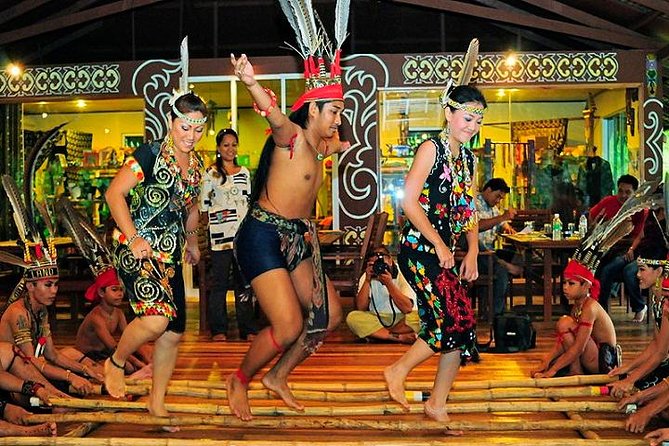
Mari-Mari Cultural Village gives you a quick, lively introduction to Sabah’s Indigenous cultures. You cross a suspension bridge, meet village representatives, enter traditional homes, watch practical demonstrations, sample local foods and drinks, and finish with music and dance. It is a better cultural primer than a simple museum visit because you keep moving and seeing things done.
I especially like the hands-on food tasting and the way the house visits connect daily life with craft, cooking, and ceremony. The cultural performance is another strong point, and guides such as Zul, Mac, and Aril have been singled out for their humor, energy, and clear explanations. The main caution is transport: some pickups have been late, cramped, smoky, or poorly communicated.
Key points at a glance
- Five Sabah ethnic traditions in one visit: The village presents Dusun, Rungus, Murut, Bajau, and Lundayeh homes, customs, food, and stories.
- Suspension bridge arrival: Your visit begins with a small crossing into the cultural village after a rules briefing and welcome ceremony.
- Food is part of the lesson: Expect local lunch or high tea, plus samples of tribal foods and drinks along the route.
- Lively cultural show: Music, traditional dance, and demonstrations make this more active than a standard heritage exhibit.
- Small shared group: The maximum is 15 people, but this is not necessarily a private tour.
- Rain can change the feel: Bring a rain plan. Ponchos may be available at the village, and wet weather can make the jungle setting feel more convincing.
Why Mari-Mari works as a Sabah introduction
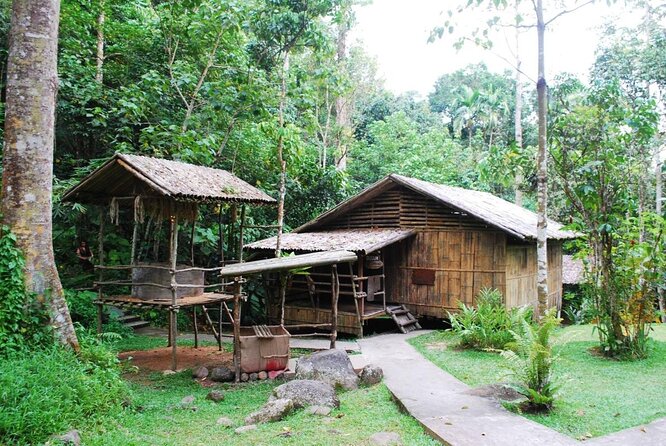
Sabah is home to many Indigenous communities, and it can be hard to understand their differences during a short stay in Kota Kinabalu. Mari-Mari Cultural Village solves that problem by putting several traditions into one compact visit.
The village focuses on five ethnic groups: Dusun, Rungus, Murut, Bajau, and Lundayeh. Each area has its own house style, customs, food, drinks, and stories. You are not simply walking past displays. Guides explain how people lived, then show parts of that life through demonstrations and tastings.
I would treat this as a first lesson, not a complete study of Sabah’s cultures. Five communities in a few hours means the presentation is necessarily selective. Still, it gives you useful context before you explore more of Malaysian Borneo, and it works well for families because the day has plenty to see, taste, and hear.
The visit is also designed with a little theater. You receive a briefing on village rules, meet the Chief, take part in a welcome ceremony, and cross a suspension bridge before entering the main area. The presentation has a time-travel flavor, but the practical details of food, housing, and daily life keep it grounded.
A few more trips around Kota Kinabalu worth a look
- Kota Kinabalu: Manukan & Sapi Islands Snorkeling with Lunch
★ 3.7 · 61 reviews - From Kuala Lumpur: Historical Melaka Day Tour with Lunch
★ 4.4 · 2,297 reviews - From Kuala Lumpur: Cameron Highlands Day Tour with Lunch
★ 4.3 · 1,178 reviews
The 9 a.m. pickup from Kota Kinabalu
The standard day begins with pickup at 9 a.m. from a centrally located Kota Kinabalu hotel. Round-trip transport is included, along with an English-speaking driver. The full experience is listed at about five hours, although the cultural village portion itself is described as roughly three hours.
That distinction matters. You are paying not only for admission and the village program, but also for the ride there and back, lunch, and the convenience of hotel pickup. At $58 per person, the package can make sense if you want one booking to handle transport, entry, food, and a guide.
The weak spot is consistency on the road. Some pickups have been prompt, with the driver providing updates through WhatsApp. Others have involved late arrivals, little communication, cramped seating, smoky vehicles, or an unnecessary fuel stop on the return journey. One family found the vehicle too tight for four people, while another group had one person placed in a different car because the assigned vehicle could not carry the whole party.
I would confirm your pickup point and keep your phone available that morning. If you are visiting from a cruise ship or have a firm departure time, be especially cautious. A late pickup or delayed return matters far more when you have only a few hours ashore.
The transport is shared, and the maximum group size is 15. The wording about a shared tour for you and your party can cause confusion, so read it as a small group experience rather than a guaranteed private outing. Several people have expected a private arrangement and instead found themselves waiting for or touring with other participants.
Crossing the bridge into the village
On arrival, you receive a briefing about the village rules. That may sound routine, but it helps set the tone for a place built around ceremony and demonstration rather than casual sightseeing.
The welcome includes an introduction to the Chief and a customary ceremony. Then you cross a suspension bridge into Mari-Mari. This is a nice change from pulling up beside a ticket booth. The crossing creates a clear break between modern Kota Kinabalu and the traditional setting presented inside.
Rain is worth planning for. The village can be enjoyable in wet weather, and one damp visit was described as feeling closer to jungle life. Still, rain can make paths and waiting areas less comfortable. Cheap ponchos may be sold at the village, but I would not rely on finding one at the last minute.
Wear footwear and clothing you can manage in wet conditions. The supplied information does not promise covered walkways or a dry route between every stop, so a small rain jacket or poncho is a sensible addition.
House tours that explain daily life
The house tour is the heart of the visit. You move through traditional homes connected to the Dusun, Rungus, Murut, Bajau, and Lundayeh communities, with explanations of how each group lived and worked.
The value is in the comparison. Instead of hearing one broad statement about Borneo culture, you can see that different communities had their own building styles, foods, ceremonies, and stories. The guide’s explanations make the houses more than photo stops.
Demonstrations add another useful layer. The exact demonstrations can vary, but the program includes practical displays tied to the homes and local customs. Food and drink sampling is also spread through the visit, so the lesson is not limited to architecture.
Expect some overlap between groups. The village can become busy, and one person found that groups sometimes crowded into the same areas. That may make it harder to hear every explanation, particularly if several guides are speaking nearby. On the other hand, a small maximum group of 15 is more manageable than a large coach tour.
Your guide can make a major difference. Zul has been praised for being funny, engaging, and well informed, while Mac and Aril have also received strong marks for making the visit accessible. The village guides are described as lively and interactive. If your group enjoys asking questions, take advantage of the stops rather than treating the route as a photo circuit.
Same base, a different sort of day:
- 2D1N Mount Kinabalu Climbing
★ 5.0 · 494 reviews - Bongawan River Cruise: Proboscis Monkey & Fireflies Mangrove
★ 4.8 · 437 reviews - Guided Snorkeling Day Trip, Kota Kinabalu, Sabah, Malaysia
★ 5.0 · 282 reviews - Bongawan Wetland: Proboscis Monkey and Fireflies Shared Tour
★ 4.2 · 137 reviews
Tasting tribal food and drinks
Food is one of the best reasons to choose this experience over a basic entry ticket. You may try different foods and beverages linked to the communities represented at the village, then sit down for a local lunch or high tea.
The tastings help you connect customs to ordinary life. A house becomes easier to remember when you have also sampled something associated with it. You should not expect a restaurant-style meal with unlimited choices, though. One person found the food reasonable but noted that it disappeared quickly, so take what interests you when it is offered.
Lunch is included in the package, along with high tea. The details of the menu are not specified, and one account says the village lunch was not available on that particular visit, with a modern local lunch provided instead. I would see this as a reminder to confirm what meal arrangement applies on your date.
Other food and drinks are not included. If you have dietary restrictions, the available information does not promise special menus, so ask the operator before booking. The tour is best for people who enjoy trying small samples and local flavors without needing a detailed food tour.
There is also a practical timing issue. If the visit runs behind, lunch may become part of the schedule you wait for rather than a quick meal before returning. One solo participant who wanted to skip lunch was required to remain until the meal period ended. That may be reasonable for a fixed group program, but it is worth knowing if you are not feeling well or have a tight afternoon plan.
Music, dance, and the cultural show
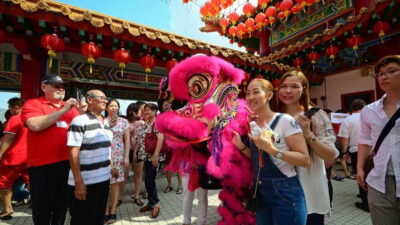
The cultural performance gives the day its most energetic finish. You watch traditional music and dance, with a presentation designed to show the character of the communities introduced earlier.
This part earns its place because it turns names and facts into movement and sound. The dances are entertaining, and the guides and performers help keep the mood light. Families with children are likely to appreciate the variety after the house explanations.
The show is still a presentation for visitors, not a private village ceremony. That does not make it worthless, but it helps set fair expectations. You are seeing selected traditions arranged for a public program, with limited time to represent several groups.
The experience can also feel busy. Groups may overlap, and you might not have an unobstructed view at every moment. If photography matters to you, focus on enjoying the performance rather than expecting a quiet seat and a perfect view throughout.
Is $58 a fair price?
At $58 per person, the value depends on how you would otherwise reach Mari-Mari. The price includes round-trip transportation, an English-speaking driver, admission, the house tour, demonstrations, cultural activities, performance, lunch or high tea, and hotel pickup and drop-off from central Kota Kinabalu.
That is a reasonable bundle if you want convenience. You do not need to arrange a separate ride, buy village admission, or organize a meal. The maximum group size of 15 also keeps the outing smaller than a large bus excursion.
The value drops if transport is late or uncomfortable, especially if you could arrange a cheaper ride independently. Several people felt the transfer added little, while the village itself remained the part they valued. This is the central buying decision: you are paying for a ready-made package, not just the cultural program.
Groups may also qualify for discounts, though the amount is not stated. For a family or small party, compare the total package price with direct admission and separate transport before booking. For a solo visitor, check carefully how the booking system handles minimum numbers. One person reported being charged for two places, which made the transfer feel poor value.
Who should book this cultural visit?
I would recommend Mari-Mari to first-time visitors who want a broad introduction to Sabah without spending a full day on separate cultural stops. It suits families, couples, and small groups that enjoy demonstrations, music, food samples, and a structured route.
It is also a good choice if you prefer having pickup and return travel arranged. The cultural village itself receives the strongest praise, especially for the guides, explanations, food tasting, and performance.
I would be more cautious if you need a private tour, have a strict cruise schedule, dislike shared transport, or expect a quiet and highly personal visit. The group can include up to 15 people, and the transport service has been uneven. A shared tour is not the same as a private tour, so do not book it assuming you will travel alone with your party.
The tour is also less suitable for someone who wants extensive time with one community. The five-group format offers range, but it moves quickly. You will gain a useful overview rather than a detailed ethnographic study.
Booking and cancellation advice
Pickup and drop-off apply to centrally located Kota Kinabalu hotels. A mobile ticket is offered, and confirmation is received at booking. Most people can participate, though the supplied information does not give detailed accessibility notes.
Free cancellation is available if you cancel at least 24 hours before the local start time. Cancellations or changes within 24 hours are not refunded or accepted. If your plans depend on a cruise schedule, check the pickup and return timing with the operator before committing.
Should you book Mari-Mari Cultural Village?
Yes, if your main goal is an accessible and entertaining introduction to Sabah’s cultures. The house demonstrations, food samples, traditional lunch, and dance show give you plenty for a half-day, and guides such as Zul, Mac, and Aril can make the information stick.
Book with caution if the transport matters as much as the village. Confirm the shared-group setup, pickup time, meal arrangement, and return plan. If you have a tight schedule, consider arranging transport separately only after comparing the full cost and making sure you can manage the admission and timing yourself.
The short version is simple: the village program is the strong part; the road service is the gamble. If you accept that tradeoff, Mari-Mari is a worthwhile Kota Kinabalu outing.
FAQ
Where is the Mari-Mari Cultural Village tour based?
The experience operates from Kota Kinabalu, Malaysia, with pickup and drop-off offered at centrally located Kota Kinabalu hotels.
How long does the tour last?
The full experience lasts approximately five hours. The cultural village portion is listed as about three hours.
What time does pickup begin?
The itinerary states that the guide picks you up at 9 a.m.
Is transportation included?
Yes. Round-trip transportation and hotel pickup and drop-off from centrally located Kota Kinabalu hotels are included.
Is the tour private?
No. It is presented as a shared tour, with a maximum of 15 participants. You should not assume that only you and your party will attend.
What cultures are represented at the village?
The program presents five ethnic groups: Dusun, Rungus, Murut, Bajau, and Lundayeh.
Is lunch included?
Yes. Local lunch or high tea is included, along with food and drink sampling during the cultural program. Other food and drinks are not included.
What is the cancellation policy?
You can cancel at least 24 hours before the experience for a full refund. Cancellations or changes made less than 24 hours before the start time are not accepted, and the amount paid is not refunded.
Just added around Kota Kinabalu
- Enjoy 3 Fun Dives in Kota Kinabalu | Certified Divers★ 3.7 · 7 reviews
- Private Tour Kampung Gipsi Sabah Cultural Village Kota Kinabalu★ 5.0 · 32 reviews
- Kota Kinabalu: Mari Mari Village & Bongawan Cruise Package★ 5.0 · 32 reviews
- Kundasang : Poring Hot Spring + Desa & Meal Shared Tour★ 3.6 · 35 reviews
- 2d1n Kinabalu Park & Poring Canopy Walk & Desa Cow Farm Tour★ 5.0 · 35 reviews
- Fun Boat Snorkeling and Island Visit from Kota Kinabalu★ 4.5 · 35 reviews
- RAID Try-Dive Experience in Kota Kinabalu★ 5.0 · 43 reviews
- Sabah: Kinabalu Park, Hot Springs, and Cow Farm Day Tour★ 4.0 · 48 reviews
Lunch Experiences, compared.



Cameron Highlands with Lunch Guided Day Tour (SIC/Shared Tour)
Read our review →
Cameron Highland Best Day Tour from Ipoh with Lunch ( Day Trip)
Read our review →
Browse the lists this tour appears in