
Reviewed · MALAYSIAN STREET FOOD TOURS
Kuala Lumpur Food Tour Through Chow Kit
Chow Kit is the kind of Kuala Lumpur neighborhood where food is not separated from daily life. On this four-hour walk, you move through the wet market, old pre-war and colonial buildings, and local food shops while tasting at least 10 Malaysian specialties. The setting is real, noisy, and sometimes confronting, especially around the meat stalls.
I like the small group of no more than 10 people, which gives you room to ask questions and adjust the pace. I also like the mix of food and local history, from a sweet cart and fruit stalls to a Mamak stop for rotis and pulled tea. The main consideration is that this is not a polished food-court crawl. You need comfortable shoes, an open mind, and some tolerance for heat, crowds, and the raw side of a wet market.
Key Points to Know Before You Book
- At least 10 tastings at three food stops: You sample a broad range of Kuala Lumpur specialties rather than eating one large meal in a single restaurant.
- Chow Kit Wet Market is part of the experience: Expect real market scenes, including meat stalls that some people may find difficult.
- Local guides shape the walk: Guides such as Danny, Ezy, Pauline, Jasmin, and Mimi have led versions of this tour, with a strong focus on Kuala Lumpur food and culture.
- The tour starts at 3:30pm: The afternoon timing avoids the hottest part of the day, though Kuala Lumpur can still be hot and humid.
- The final stop is Mohd Yaseem Nasi Kandar: You finish with Indian Muslim food, including rotis and Malaysia’s famous pulled tea.
- Vegetarian food is available by request: Tell the provider when booking, and also mention any other dietary restrictions.
Why Chow Kit Makes a Better Food Tour Setting
Many Kuala Lumpur food tours stay in tidy restaurant districts. This one takes you into Chow Kit, a neighborhood where food shopping, cooking, religion, migration, and local business all meet on the same streets.
The route includes Chow Kit Wet Market, one of the more revealing places to see how food reaches the table. You can expect stalls selling fresh produce, fruit, meat, and prepared foods. The market is not arranged for sightseeing, so you get a more direct look at ordinary shopping and cooking habits.
That honesty is part of the appeal. You are not simply handed a plate and told its name. Your guide can explain what you are seeing, how people order it, and how certain dishes fit into Malay and Kuala Lumpur culture.
It also means the setting may not suit everyone. The meat section can be confronting, and the market may feel crowded or overwhelming. If you prefer quiet cafés and carefully presented dishes, this tour may push you outside your comfort zone. If you want to see the everyday side of the city, Chow Kit gives the food a useful setting.
More Street Food Tours in Kuala Lumpur
- Sambal Streets Kuala Lumpur Food Tour with 15+ Tastings
★ 5.0 · 2,438 reviews - Kuala Lumpur: Sambal Street Food Tour with 15+ Tastings
★ 4.9 · 1,657 reviews - The 10 Tastings of Kuala Lumpur With Locals: Private Street Food Tour
★ 5.0 · 249 reviews
Starting at 3:30pm Near Chow Kit Monorail Station
The tour begins at 3:30pm near Chow Kit Monorail Station, by a convenience store. The listed starting point is close to the Hilton Garden Inn Kuala Lumpur Jalan Tuanku Abdul Rahman South, making public transport a practical way to reach the meeting area.
The afternoon start works well for a food walk. You have time to reach Chow Kit after lunch, and the tour ends in the evening with dinner included. Still, bring water. Kuala Lumpur’s heat and humidity can make four hours of walking feel longer than expected.
The group size is limited to 10 people, and at least two people are required for a booking. This is small enough for the guide to hear your questions and notice if you need a slower pace. The guide also asks you to mention dietary restrictions, so do that before the tour rather than waiting until food is served.
The guides are local Kuala Lumpur residents. Danny, Ezy, Pauline, Jasmin, and Mimi are among the guides associated with different tours. Their personalities may vary, but the useful point is that you are not following a generic script delivered by someone unfamiliar with the area. The guides are expected to explain local food, answer questions, and help you order and eat in a way that feels natural.
Walking Through the Chow Kit Wet Market
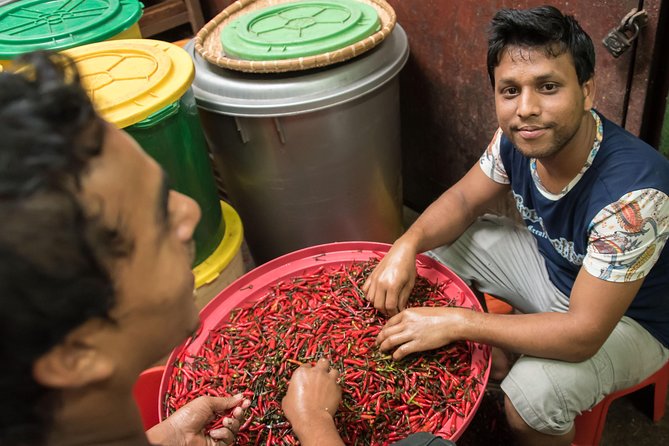
The wet market is the tour’s most important stop, even though it is not a tasting stop in the usual sense. This is where the city’s food culture becomes visible. You walk through working stalls, look at unfamiliar ingredients, and see the range of produce used in Malaysian cooking.
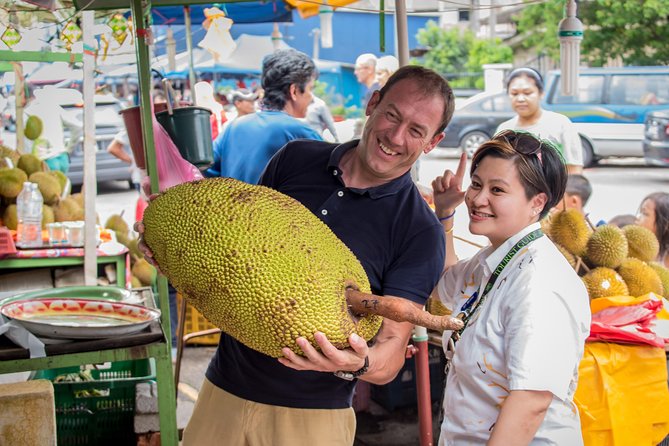
Your guide can help you identify fruits and vegetables you might otherwise pass without noticing. One of the useful parts of this visit is learning how to ask about food and how locals select or order it. You are not expected to know the names of everything in advance.
The market also gives context to the later tastings. A fruit, herb, or ingredient can make more sense when you have seen it in its raw form first. That connection is one reason I find this type of tour more useful than a simple list of restaurant stops.
Be realistic about the environment. The market is not a sanitized attraction. The meat area may include sights and smells that some people find hard to handle. One low rating specifically came from someone who found the backstreet setting and meat section overwhelming, despite enjoying the guide. That is a fair warning, not a flaw to ignore.
You should also wear shoes with good support. The tour is a walking trail, and the provider recommends comfortable footwear. A water bottle is useful, as is an umbrella or raincoat. Kuala Lumpur weather can shift quickly, and poor weather may affect the route.
Tasting Sweet Snacks and Local Produce

The exact tasting order can change, but the food trail includes at least three stops and at least 10 varieties of local or heritage food. That number matters because you are sampling rather than committing to one unfamiliar dish as your entire meal.
One reported route began with a local sweet cart. The tasting included small cakes and a peanut butter pancake. These early bites offer an easy introduction to the tour, especially if you are still learning how Malaysian flavors and textures differ from the food you know at home.
You may also sample fruits and vegetables that you would not think to order on your own. This is where the guide’s help is valuable. A good explanation can tell you what an item is, how it is eaten, and why it matters locally. You are encouraged to ask questions throughout the walk, so use the chance to speak up.
The tour is designed for people who are willing to try unfamiliar foods. It is not the best choice if you want full control over every ingredient or prefer to stay with familiar Western dishes. Vegetarian food can be arranged, but you need to request it at booking. Other dietary restrictions should also be stated clearly.
The food is served as part of a longer trail, not as a formal tasting menu. That gives the experience a relaxed, local feel, but it also means portions and stop order may not feel as precise as they would in a restaurant-led culinary class.
More street food walks in Kuala Lumpur
- Kuala Lumpur Local Street Food Private Walking Tour by Night
★ 4.5 · 224 reviews - Eat Like a Local: Kuala Lumpur Hawker Center and Street Food Tour by Night
★ 5.0 · 198 reviews - Kuala Lumpur: Local Street Food Night Tour
★ 4.5 · 162 reviews - Laksa Lanes Kuala Lumpur Food Tour with 14+ Tastings
★ 5.0 · 148 reviews
Learning How to Order and Eat Like a Local
The guide’s role is not limited to pointing at food. You are shown how to order, what to try, and how to approach foods that may be new to you. That makes a difference in Chow Kit, where a stall or small shop may not be set up with first-time visitors in mind.
The tour also covers Malay cuisine and culture, along with the history of Kuala Lumpur. As you walk, the guide points out pre-war and colonial buildings. These details keep the afternoon from becoming a string of disconnected snacks.
I like this combination because food makes the city’s past easier to understand. Kuala Lumpur’s eating culture includes Malay, Indian Muslim, and other influences, and the route gives you a chance to see those connections through actual dishes and businesses.
The guides bring different personalities to the walk. Danny has been praised for being kind and attentive with a family that included an eight-year-old child. Ezy has been described as greeting the group warmly and setting a friendly tone from the start. Jasmin and Mimi have also led walks that included food explanations and local stories.
You should not expect the same guide on every date, so book this for the route and format rather than one named person. Still, the repeated strength of the guides is worth noting: they are expected to communicate well, answer questions, and adjust the pace instead of rushing a fixed presentation.
Finishing With Rotis, Nasi Kandar, and Pulled Tea
The tour ends at Mohd Yaseem Nasi Kandar on Jalan Tuanku Abdul Rahman. The final stop is a Mamak Indian Muslim restaurant, where the meal includes Indian rotis and Malaysia’s signature pulled tea, known locally as teh tarik.
This ending gives the tour a satisfying change of direction. You begin around market produce and sweet snacks, then finish with a more substantial meal and food shaped by Indian Muslim traditions. It is a helpful reminder that Kuala Lumpur cuisine does not fit neatly into one category.
The restaurant is also the official end point, so plan your evening from there rather than assuming you will return to the starting station. The listed end address is on Jalan Tuanku Abdul Rahman in Chow Kit. Hotel pickup and drop-off are not included.
Dinner and beverages are included in the tour price, though alcohol is not. You should expect local drinks rather than a bar stop. If you have been sensible about lunch, the series of tastings should carry you through the evening meal without leaving you uncomfortably full too early.
Is the $75 Price Good Value?
At $75 per person, this is not a cheap way to grab dinner in Kuala Lumpur. Local food stalls can cost far less, and you could visit Chow Kit independently for a fraction of the price.
The value comes from the guidance and structure. You receive roughly four hours of walking, a professional English-speaking guide, at least 10 tastings, drinks, dinner, and help understanding how to order. You also gain access to a part of Kuala Lumpur that may be hard to interpret on your own.
For a first visit, I think the price is reasonable if you want food, local context, and company in one afternoon. A small group also matters here. With no more than 10 people, the guide can explain ingredients and answer questions without turning the walk into a large procession.
The value is weaker if your main goal is simply to eat as much as possible for the lowest cost. It is also less appealing if you are already comfortable finding local stalls and navigating wet markets on your own.
The tour is commonly booked about eight days ahead, so it is sensible to reserve before your visit. Confirmation is sent within 48 hours, subject to availability. Free cancellation is available up to 24 hours before the start time. If poor weather cancels the experience, you are offered another date or a full refund.
Who Will Enjoy This Four-Hour Food Walk?
I would recommend this tour to first-time visitors who want an introduction to Kuala Lumpur food without spending hours researching stalls and dishes. It also suits people who enjoy walking, asking questions, and trying small portions of unfamiliar food.
Families can consider it too. An eight-year-old joined one version of the tour successfully, with the guide taking care to make the experience comfortable. Still, children should be prepared for the market environment, especially the meat section.
This is a good match for:
- People who want local food beyond hotel restaurants
- Visitors interested in Malay and Indian Muslim food traditions
- Small groups seeking a personal guide
- Curious eaters who are comfortable with surprises
- Anyone who wants history and food in the same outing
I would be cautious about booking if you dislike wet markets, have strong food aversions, or need a fully controlled menu. The route is authentic partly because it is not polished. That is its strength and its limitation.
Practical Tips for a Better Afternoon
Arrive ready to walk and eat. A light lunch is sensible, but do not arrive full. The tour includes several tastings and dinner, so you need room for a broad range of food.
Wear comfortable shoes and avoid white clothing. Spills are possible, and a pale shirt is a poor choice for a market and food walk. Carry water, an umbrella, or a raincoat.
Tell the provider about vegetarian needs when booking. Also mention allergies or other restrictions as early as possible. The guide is encouraged to help with dietary concerns, but clear advance notice gives the best chance of useful substitutions.
Keep an open mind, but do not force yourself to eat something that causes genuine concern. You can ask what a dish contains, how it is prepared, and what the guide recommends. A good food tour should help you make informed choices, not pressure you.
Should You Book the Chow Kit Food Tour?
Book it if you want Kuala Lumpur through its markets, small food stops, and local stories rather than through a polished restaurant itinerary. The combination of Chow Kit Wet Market, old buildings, at least 10 tastings, and a Mamak dinner offers a strong first look at the city’s food culture.
Skip it if you want a quiet meal, dislike raw market scenes, or prefer to choose every dish yourself. For curious eaters who can handle heat, walking, and a little uncertainty, the $75 fee buys useful guidance and a full afternoon of local food.
FAQ
How long does the Kuala Lumpur food tour last?
The tour lasts approximately four hours and starts at 3:30pm.
Where does the tour begin?
The meeting point is at Chow Kit Monorail Station, by a convenience store. The listed location is near Hilton Garden Inn Kuala Lumpur Jalan Tuanku Abdul Rahman South.
Where does the tour end?
The tour ends at Mohd Yaseem Nasi Kandar Restaurant on Jalan Tuanku Abdul Rahman in Chow Kit.
How many food tastings are included?
You visit at least three food outlets and taste at least 10 varieties of local and heritage food from Kuala Lumpur. Beverages and dinner are included.
Is a vegetarian option available?
Yes. A vegetarian option is available, but you must advise the provider at the time of booking.
How large is the tour group?
The tour has a maximum of 10 people. A minimum of two people is required per booking.
What should I bring and wear?
Wear comfortable shoes and bring a water bottle. An umbrella or raincoat is useful because Kuala Lumpur weather can change quickly. Avoid white clothing because food spills are possible.
More Food in Kuala Lumpur
- Kuala Lumpur Food Tour with 12+ Authentic Dishes & Local Secrets
★ 5.0 · 40 reviews - Penang Plates Food Tour with 15+ Tastings
★ 4.9 · 734 reviews - Good Morning Penang Food Tour with 15+ Tastings
★ 5.0 · 148 reviews - Private Half Day Penang Tasty Local Street Food Tour
★ 4.1 · 48 reviews
More Food & Drink in Kuala Lumpur
- Kuala Lumpur: Private Food Tour – 10 Tastings with Locals
★ 4.8 · 145 reviews - Kuala Lumpur: Nightlife Street Food Tour with 6 Tastings
★ 4.6 · 73 reviews - Authentic Malaysian Street Food Tour With 15+ Tastings Near KLCC
★ 5.0 · 68 reviews - Kuala Lumpur: Sightseeing, Markets, and Food Night Tour
★ 4.2 · 57 reviews
Just added around Kuala Lumpur
- Hidden Kuala Lumpur: 4-Hour Bike Tour★ 4.7 · 26 reviews
- Genting Highlands Private Day Trip with Batu Caves★ 4.8 · 7 reviews
- Genting Highland: Private Day Trip from Kuala Lumpur★ 4.3 · 29 reviews
- From Kuala Lumpur: Kuala Gandah & Batu Caves Day Trip★ 4.4 · 8 reviews
- From Kuala Lumpur: Port Dickson Tour with Dragon Cruise★ 3.4 · 5 reviews
- From Kuala Lumpur: Kampar River White Water Rafting★ 4.3 · 13 reviews
- Kuala Lumpur: Kuala Selangor Firefly Tour and Dinner★ 4.7 · 11 reviews
- From Kuala Lumpur: Full-Day Tour to Ipoh★ 4.4 · 25 reviews
Malaysian Street Food Tours, compared.
Sambal Streets Kuala Lumpur Food Tour with 15+ Tastings
Read our review →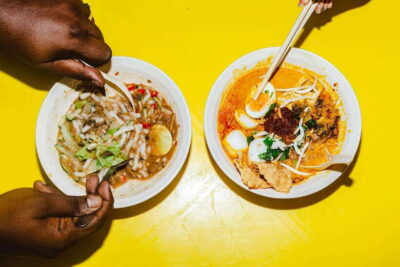
The 10 Tastings of Kuala Lumpur With Locals: Private Street Food Tour
Read our review →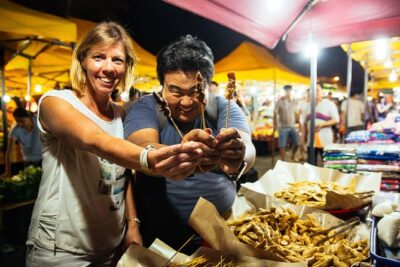
Kuala Lumpur Local Street Food Private Walking Tour by Night
Read our review →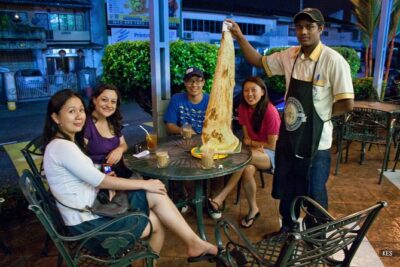
Eat Like a Local: Kuala Lumpur Hawker Center and Street Food Tour by Night
Read our review →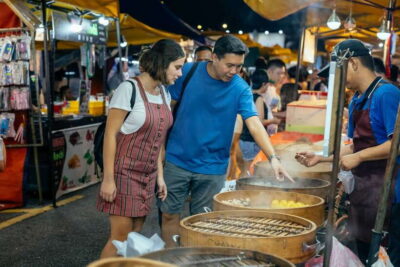
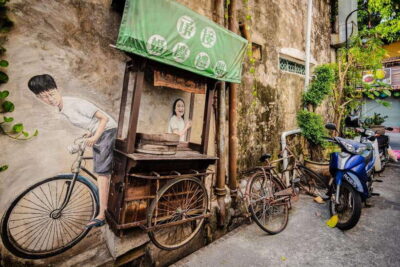
Good Morning Penang Food Tour with 15+ Tastings
Read our review →Browse the lists this tour appears in