
Reviewed · JOHOR BAHRU TOURS
Birdwatching: Desaru’s Winged Gems
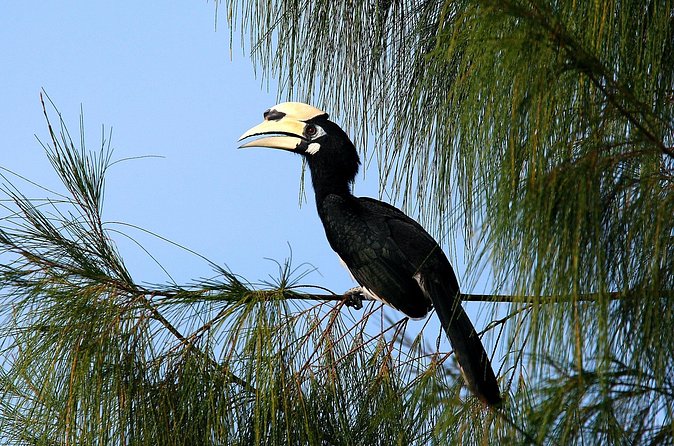
Desaru Coast is not just a resort strip. More than 100 bird species live around its forests, wetlands, and open areas, from White-bellied Sea Eagles and Oriental Pied Hornbills to tiny Crimson Sunbirds. I like that the tour gives you binoculars and a bird checklist, so you can take part even if you cannot name a kingfisher from a kite.
I also like the personal touch. Guides including Salam, Nurin, Udin, and Sharool explain birds, plants, fruits, trees, and local history rather than simply pointing at moving shapes. The main drawback is timing: the tour starts at 4:30 pm, while the coolest and most active birdwatching period is usually morning.
Quick takeaways from the Desaru birdwatching tour
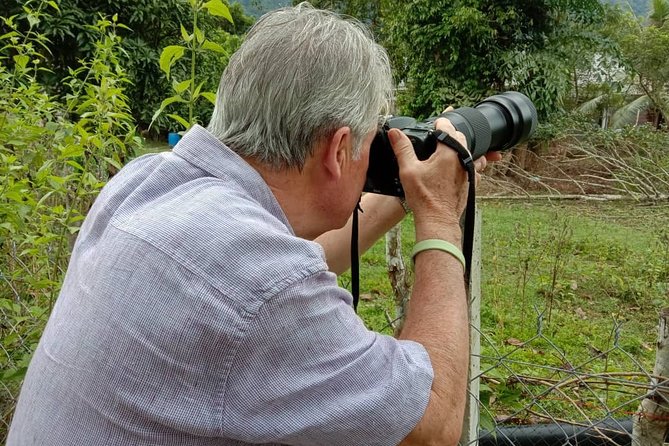
- More than 100 possible bird species: Look for raptors, kingfishers, bee-eaters, herons, sunbirds, junglefowl, and hornbills.
- A private outing: Only your own group joins, with private transport and a local guide.
- Guides who add context: Salam, Nurin, Udin, and Sharool are praised for explaining birds, plants, trees, fruits, and local history.
- Binoculars are supplied: You do not need to bring specialist gear to get started.
- A 4:30 pm departure: The late-day timing can suit a resort stay, though morning is generally better for bird activity.
- About $39.10 per person: That covers the guide, transport, binoculars, and water, but not food or drinks.
What makes Desaru Coast good for birdwatching
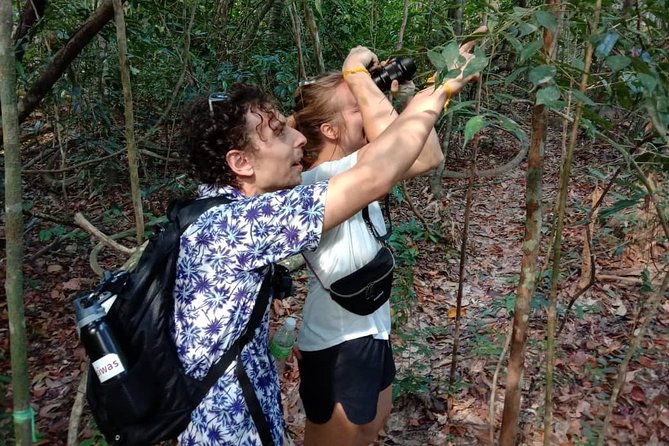
The appeal here is variety. Desaru Coast covers more than manicured resort grounds. Its mix of coastal areas, trees, open spaces, and wet places gives different birds room to feed and rest. You might see a large White-bellied Sea Eagle overhead, then shift your attention to a small sunbird working through flowers.
That change of scale keeps the outing interesting. A birdwatching trip is not only about collecting rare names. It is also about learning where to look. Raptors may be high above you. Kingfishers need patient watching around suitable water or perches. Bee-eaters can appear as quick flashes in open air, while herons and bitterns are easier to spot in wet areas.
The possible list is impressive, but it is not a promise. Birds move, weather changes, and some species stay hidden. I would treat the named birds as a guide to what lives in the area, not as a guaranteed checklist. The fun is in seeing what the habitat offers on your particular afternoon.
A few more trips around Johor Bahru worth a look
- Firefly Tour Johor Bahru@Kota Tinggi Firefly Park
★ 4.5 · 47 reviews - Johor: LEGOLAND Malaysia Resort Entry Ticket
★ 4.0 · 39 reviews - Magical Brooklyn Cruise at Puteri Harbour
★ 5.0 · 35 reviews
Starting at 4:30 pm with a private guide
The advertised start time is 4:30 pm, making this easy to fit around a resort morning, a slow lunch, or another Desaru Coast activity. Pickup is offered, and private transportation is included. That matters in a spread-out resort area, since you are not left to arrange your own ride between meeting points.
The private format is one of the strongest practical features. You are not sharing the outing with a large mixed group, so the guide can adjust the pace to your party. If one person wants more time on a bird and another prefers to keep moving, there is at least some room for that balance.
The published duration is about 1 hour and 30 minutes. One itinerary entry also shows Desaru Coast with a three-hour duration, so I would confirm the exact time you will be out before booking, especially if you have dinner reservations or another paid activity afterward. The stated start time and approximate duration suggest a short late-afternoon outing, but the conflicting timing details are worth checking.
The tour is suitable for most people, and children can join when accompanied by an adult. One guide also takes care to check on older participants, which is useful if your group includes someone who needs a gentler pace. Still, you should ask about the walking arrangement directly if anyone in your party has specific mobility needs, since the available details do not describe the walking surfaces or distance.
Reading the bird checklist without turning it into homework
A checklist of Desaru birds is provided on the tour. I like this simple tool because it gives the outing a purpose without making it feel like a classroom test. You can mark species as you see them, note the ones you missed, and remember the trip more clearly later.
The list includes birds at very different levels of difficulty. A large White-bellied Sea Eagle or Brahminy Kite may be easier to notice in the sky. A Collared Kingfisher or White-throated Kingfisher may sit in a more obvious perch, but you still need to watch carefully. Common Kingfishers are smaller, and a Blue-winged Pitta can be much less cooperative.
You might also search for:
- Black-shouldered Kites
- Crested Serpent Eagles
- Changeable Hawk-Eagles
- Blue-throated and Blue-tailed Bee-eaters
- Crimson, Ruby-cheeked, and Brown-throated Sunbirds
- Red Junglefowl
- Purple Herons, Grey Herons, and Yellow Bitterns
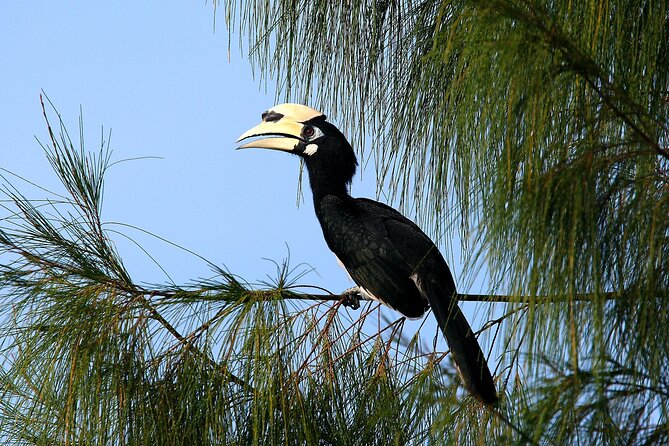
- Oriental Pied Hornbills
The guide’s job is not only to identify a bird after you see it. The better part is learning what to watch for before it appears: movement, shape, flight pattern, size, color, or the kind of place where it feeds. Salam is especially good at making the information light and approachable, while Nurin has helped create an interactive experience for groups.
If you are new to birdwatching, do not worry about remembering every name. You can simply focus on three things: the bird’s size, where it is sitting, and how it moves. That is enough to make the next sighting easier.
What your guide adds beyond bird names
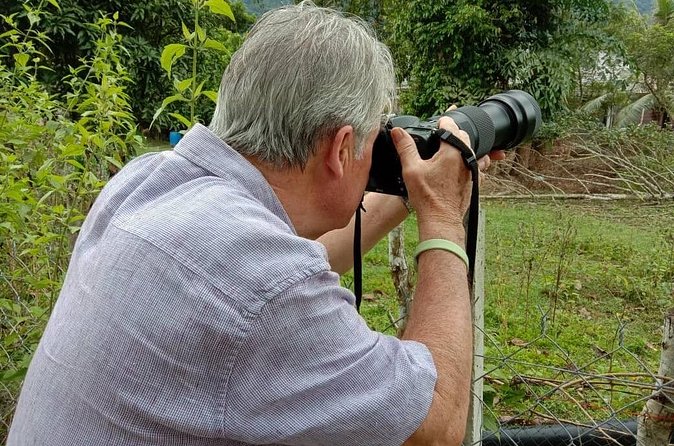
The human side of this experience receives as much attention as the birds. Salam is described as friendly, funny, and easy to talk with, while also bringing in plants, fruits, trees, and local history. That wider knowledge changes the outing from a short wildlife search into a broader introduction to Desaru.
Udin also explains the area and its animals in a way that helps you understand what you are seeing. Sharool has been praised for clear communication around hotel pickup, including sending vehicle details before arrival. Those small touches matter when you are waiting at a resort and need to know which car to look for.
A strong guide also watches the group, not just the trees. You can expect help with the binoculars and explanations suited to your level. If you already know your raptors and kingfishers, you can ask more detailed questions. If you are starting from zero, you can learn the basics without feeling out of place.
That flexibility is important because the group may include children, first-time birdwatchers, experienced birders, and older family members. The private format gives the guide a better chance to keep everyone involved.
Same base, a different sort of day:
- Lebam River Kayaking Adventure
★ 5.0 · 22 reviews - Beachlife & Tidepool Discovery at Desaru Coast Johor |JungleWalla
★ 5.0 · 13 reviews - Johor Bahru: Brooklyn Cruise at Puteri Harbour
★ 3.9 · 8 reviews - Legoland Malaysia Theme Park E-Tickets
★ 4.5 · 7 reviews
Binoculars, transport, and what to bring
Binocular use is included, which keeps the price sensible for a casual introduction. You do not need to buy equipment just to test whether birdwatching suits you. The supplied binoculars also mean less luggage for a resort holiday.
Private transportation is included as well. That is more than a convenience if you are staying at a hotel without a car. It lets you concentrate on the birds rather than on finding the right access point or arranging a return ride.
Bottled water is provided. Food and other drinks are not included, so eat beforehand or plan around the outing. Since the tour is short, you do not need to pack a full day bag, but I would bring comfortable shoes, sun protection, and a phone or notebook for recording sightings. These are sensible preparations rather than stated tour requirements.
The timing deserves thought. Morning is described as the best period because birds are generally more active in cooler conditions. The 4:30 pm start may still offer useful sightings, and it fits neatly into a resort schedule, but it is not the ideal choice if your only goal is to maximize activity. Serious birders should ask if a morning departure is possible before paying.
The value of $39.10 per person
At about $39.10 per person, the price is fair for a private experience that includes a guide, transportation, binoculars, and bottled water. The value is strongest for couples, families, and small groups who would otherwise need to arrange a car and hire local help separately.
You are paying for interpretation as much as for transport. Anyone can walk around a resort and hope to spot a bird. A guide helps you understand why a raptor is circling, where to search for a kingfisher, and how to tell a sunbird from another small forest bird. That added context is what makes the experience useful for beginners.
The price is less attractive if you are expecting a long expedition or a guaranteed list of rare species. The advertised outing is short, and food is not included. If your main aim is serious bird photography, you should also clarify the exact route, time in the field, and whether a morning option can be arranged.
For a first taste of Malaysian birdwatching during a Desaru stay, I think the cost is reasonable. It removes much of the planning and gives you a local interpreter without requiring specialist equipment.
The best and most realistic bird sightings
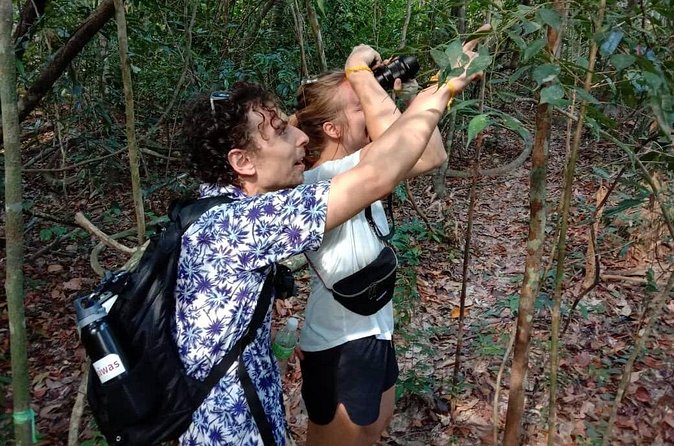
The possible species list covers birds that appeal to both casual visitors and experienced birders. A large eagle, kite, heron, or hornbill can create an immediate sense of place. These are memorable birds even if you never develop a full interest in birdwatching.
Kingfishers offer another kind of reward. Collared, White-throated, and Common Kingfishers are all listed as possible sightings, but their quick movements can test your patience. The guide can help you scan the right areas and recognize the flash of color before the bird disappears.
Bee-eaters are appealing for their bright colors and fast flight. Sunbirds offer a smaller challenge, with Crimson, Ruby-cheeked, and Brown-throated species on the possible list. You may need a steady hand and a little patience to pick them out.
The bird list also includes Red Junglefowl, Purple and Grey Herons, and Yellow Bitterns. These species show why the setting matters. Desaru is not only about treetops. Different habitats support different feeding habits, and a short tour can introduce you to several types of bird behavior.
Still, keep your expectations sensible. Even an experienced guide cannot make a bird appear on command. The strongest reason to book is the chance to learn how to look, not a guarantee that you will check every species.
Who will enjoy this most
I would recommend this tour to a first-time birdwatcher who wants a clear introduction without buying gear or studying field guides beforehand. The checklist, binoculars, private transport, and guide support make the first step easy.
It also suits families. Children can join with an adult, and the search for a moving bird gives younger visitors something active to do. The guide’s stories about animals, trees, fruits, and local history can help hold attention when the birds are quiet.
Couples and small private groups should appreciate the relaxed format. You can ask questions freely and set a pace that suits your party. If you are already an experienced birder, the tour may still be useful for local orientation, though you should confirm the timing and route if you need a more demanding session.
I would be more cautious if you dislike waiting, have no interest in wildlife, or want a tightly scheduled sightseeing tour with constant action. Birdwatching includes quiet stretches. That is part of the activity, not a flaw, but it does require patience.
Booking, cancellation, and weather details
Confirmation is provided at booking, and free cancellation is available if you cancel at least 24 hours before the start time. Cancellations made less than 24 hours ahead, along with late changes, are not refunded or accepted under the stated rules.
The experience depends on good weather. If poor conditions force cancellation, you are offered another date or a full refund. I would keep a little flexibility in your Desaru schedule rather than placing this directly before an important departure.
Because the departure is at 4:30 pm and the stated duration is approximate, confirm the pickup time, meeting point, and expected finish when you book. This is especially sensible given the separate three-hour duration shown for the Desaru Coast itinerary.
Should you book Birdwatching: Desaru’s Winged Gems?
Book it if you want a short, private introduction to local birds with transport and binoculars taken care of. The strongest reasons are the range of possible species, the friendly guide style of people such as Salam and Nurin, and the chance to learn about plants and local life as well as birds.
Think twice if you need the best possible bird activity. Morning is generally preferred, while this outing starts at 4:30 pm. Also confirm the duration before booking, since the available time details are not fully consistent.
For most resort visitors, I see this as a good-value add-on rather than a full birding expedition. You get a local guide, a manageable time commitment, and a real chance to see a side of Desaru that is easy to miss from the pool or beach.
FAQ
Where does the birdwatching tour take place?
The tour takes place at Desaru Coast in Johor Bahru, Malaysia.
What time does the tour start?
The stated start time is 4:30 pm.
How long does the experience last?
The tour is listed as approximately 1 hour and 30 minutes. Another itinerary detail shows three hours at Desaru Coast, so confirm the expected duration when booking.
What birds might I see?
Possible sightings include White-bellied Sea Eagles, Brahminy Kites, Black-shouldered Kites, kingfishers, bee-eaters, sunbirds, Red Junglefowl, herons, Yellow Bitterns, and Oriental Pied Hornbills.
Are binoculars provided?
Yes. Use of binoculars is included.
Is transportation included?
Yes. Private transportation is included, and pickup is offered.
Can children join the tour?
Yes. Children must be accompanied by an adult.
What happens if the weather is poor?
If the experience is canceled because of poor weather, you can choose another date or receive a full refund. You can also cancel for a full refund up to 24 hours before the start time.
Just added around Johor Bahru
- Legoland Malaysia Theme Park E-Tickets★ 4.5 · 7 reviews
- Beachlife & Tidepool Discovery at Desaru Coast Johor |JungleWalla★ 5.0 · 13 reviews
- Activities on Offer★ 3.5 · 7 reviews
- Johor Desaru Coast Day River Cruise★ 5.0 · 6 reviews
- ~Chauffeur: Johor Bahru to Singapore MPV Transfer★ 4.5 · 5 reviews
- Private Transfer : Johor Bharu (JB) to Kuala Lumpur (KL)★ 5.0 · 3 reviews
- ~Chauffeur: Johor Bahru to Singapore Van Transfer★ 5.0 · 3 reviews
- Johor Bahru : Seadoo JetSki 30mins Self Ride Tour(Single)★ 4.6 · 5 reviews
Johor Bahru Tours, compared.

Firefly Tour Johor Bahru@Kota Tinggi Firefly Park
Read our review →
Beachlife & Tidepool Discovery at Desaru Coast Johor |JungleWalla
Read our review →

Johor: Adventure Waterpark Desaru Coast Entry Ticket
Read our review →
Browse the lists this tour appears in