
Reviewed · MUSEUMS
Asia Camera Museum Admission Ticket
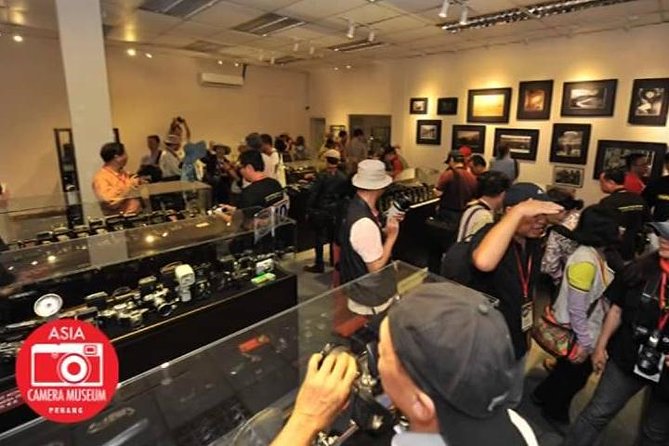
The most surprising part of the Asia Camera Museum is how hands-on it feels. You do not simply walk past glass cases. You can handle vintage cameras, look through old equipment, and use some of it to make unusual phone photographs. The collection also includes a rare early-1900s Magic Lantern projector, hand-painted glass slides, and a silent movie projector powered by an oil lamp and gears.
I like the darkroom, which gives you a clear sense of how photographs were developed before digital cameras. I also like the repair workshop, with its old tools and mechanical cameras, because it shows the patient craft behind the objects on display. May, one of the museum’s regular guides, is especially good at turning the collection into a personal, easy-to-follow visit.
The main consideration is time. The visit usually takes only 30 minutes to an hour, so serious camera collectors may want more technical detail than a short admission visit provides. You also need a printed confirmation voucher to exchange for the admission ticket, and the booking cannot be refunded or changed.
Key points to know before you go
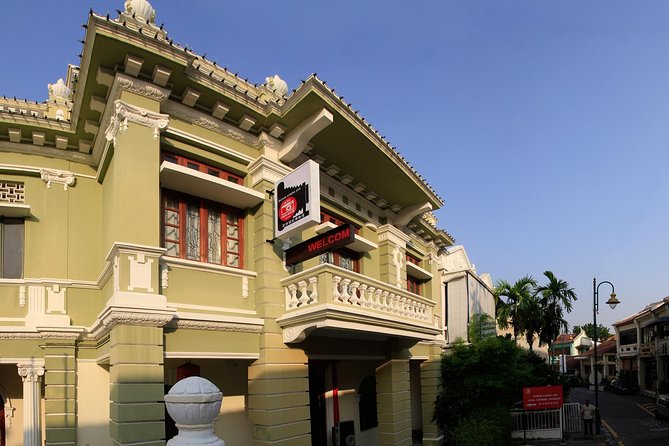
- More than 1,000 cameras and accessories: The collection covers a wide span of photographic equipment, not just a few decorative antiques.
- Hands-on camera displays: You can touch vintage cameras and use some working equipment to take phone photographs.
- A working-style darkroom: See how film processing was handled before digital photography changed the process.
- A 1960s repair workspace: Examine the tools once used to repair and restore mechanical cameras.
- Rare projection equipment: Look for the early-1900s Magic Lantern, hand-painted glass slide, and oil-lamp silent movie projector.
- A short, guided visit: Plan on 30 minutes to one hour, with a maximum group size of 15 people.
Why this small George Town museum is worth your time
George Town has no shortage of places to see, so a small camera museum needs to offer more than shelves of old objects. This one does. Its strongest feature is the mix of display and demonstration. You can learn how cameras changed, then look through one, handle another, and see how photographs or projected images were made.
That makes the museum useful even if you are not a dedicated photographer. You may arrive because you like old technology, family photographs, film, or unusual local attractions. The visit gives you a simple story to follow: light enters a device, an image is recorded, film is developed, and the result is shown or projected.
I especially like the way the collection connects cameras with the wider process of photography. A camera by itself can feel like a dead object. Add a darkroom, repair tools, glass slides, and a film projector, and you begin to see the full chain of work that once surrounded every picture.
The museum is also a sensible stop during the hottest part of the day. The visit is indoors, short enough to fit between other George Town sights, and close to public transportation. You do not need to give it a whole afternoon unless you plan to study each item closely.
A few more trips around George Town worth a look
- George Town Highlights & Upside Down Museum tours (4 Hours)
★ 4.5 · 7 reviews - Quirky Art Museum called Ur-Mu in Bukit Bintang, KL
★ 5.0 · 49 reviews - Best of Kuala Lumpur City Tour Including National Museum and National Monument
★ 3.0 · 23 reviews
The camera exhibition: over 1,000 objects across photographic eras
The main exhibition contains more than 1,000 cameras and related accessories. That number matters because it lets you compare equipment rather than view one famous object in isolation. You can see how camera bodies, lenses, controls, and supporting tools changed over time.
The collection is aimed at making the subject approachable. You do not need to know camera brands or technical terms before arriving. A guide can explain what you are looking at and show how older equipment was used.
If you already enjoy photography, you will probably spend longer here than the basic 30-minute visit. Take time to look at the mechanical parts and accessories. These details show how much more physical photography once was. A photographer had to understand the equipment, protect the film, and often rely on careful manual adjustments.
For families, the touch-friendly displays help keep the visit moving. Children may not want a long lecture about photographic development, but looking through an old camera or trying a phone photo through antique equipment gives them something to do. That practical element is one reason this museum works better than a collection that only asks you to read labels.
The limitation is that the exhibition may feel compact if you want a formal museum treatment of every object. The experience is strongest as a guided introduction and a chance to interact with unusual equipment, not as a silent research archive.
The Magic Lantern and hand-painted glass slides
One of the most unusual objects is a Magic Lantern projector from the early 1900s. It is paired with an antique large-format glass slide painted by hand in color.
This display helps explain how people showed images before modern film projection. A glass slide could carry a carefully painted scene, and the projector would throw that image onto a surface. The object is valuable not only because it is old, but because it combines optics, mechanics, and handwork.
Look closely at the idea behind the slide. Before images could be copied and projected with today’s ease, someone had to prepare the picture by hand. That gives you a different view of early visual entertainment. The technology may appear simple, but the result depended on both a machine and a person’s steady artistic work.
This is a good section for anyone interested in the history of cinema, not only still photography. It shows that the museum’s subject reaches beyond cameras and includes the older ways people recorded, displayed, and shared images.
The oil-lamp silent movie projector
The museum also displays a 35mm silent movie projector illuminated by an oil lamp and operated through gears. This is the sort of object that makes a quick museum visit memorable because you can picture the machine in use.
The projector shows how much equipment was needed to present a moving image. Today, you can watch a film on a phone with almost no visible machinery. This older projector makes the process tangible. Light, film, lenses, and gears all had to work together.
You may find this display especially interesting if you enjoy cinema or industrial design. It also adds variety to the camera collection. After examining cameras that capture images, you see a machine built to bring recorded images back to life on a screen.
The details are worth asking about during the guided portion. A short explanation can help you understand why an oil lamp was used and how the gears moved the film. The museum visit is at its best when you treat the guide as part of the experience rather than rushing through the cases alone.
Same base, a different sort of day:
- Half-Day Penang Countryside Cycling Tour
★ 4.5 · 454 reviews - Penang: Flexible 6-Hours Highlights
★ 5.0 · 378 reviews - Penang: Flexible Full-Day Adventures
★ 5.0 · 105 reviews - Penang: Flexible Half-Day Escapes
★ 5.0 · 65 reviews
Inside the darkroom
The darkroom is one of the most useful parts of the visit because it explains what happened after a photograph was taken. You can learn how film was developed and why the process required a special low-light workspace.
Digital photography has removed most of this work from everyday picture-taking. You press a button, check the screen, and share the result. In a traditional darkroom, the image required careful chemical processing before you could see the final photograph.
Even a short explanation here can change how you look at older photographs. A picture was not instantly available. Film had to be handled correctly, developed, and prepared for printing. Mistakes at any stage could spoil the result.
The darkroom is also a good place to ask practical questions. If you are curious about film photography, this is where the broad museum story becomes more concrete. If you are not a camera enthusiast, it still gives you a clear contrast between older photographic work and the ease of a modern phone.
Do not expect a full photography class. The supplied experience is an admission visit, not a workshop with a stated film-processing session. You will see and learn about the darkroom process, but the main value is understanding how it worked.
The 1960s camera repair workplace
The repair area recreates or displays the tools used by a camera repairer in the 1960s. This section deserves more attention than its modest size might suggest.
A camera is a precision machine, and mechanical models could not simply be replaced when a small part failed. Repairers needed specialized tools, patience, and a good grasp of how each part worked. The workspace shows the practical side of camera history, away from polished displays and famous models.
You can handle or examine some of the tools and vintage equipment. That makes the section feel like a workplace rather than a museum case. It also helps you understand why older cameras often have such a strong appeal. Their operation was visible and mechanical, and their repair depended on human skill.
For photographers who enjoy restoring equipment, this may be one of the most rewarding parts of the visit. For everyone else, it adds a useful lesson: photography has always involved more than pressing a shutter. Equipment had to be maintained, adjusted, and sometimes rebuilt.
The museum does not promise a live repair demonstration, so keep your expectations sensible. You are seeing the repairer’s environment and learning about the tools, not booking a repair service.
The hands-on element makes the visit memorable
The best reason to choose this museum is the chance to interact with old cameras. You can touch vintage equipment and, with help from the staff, use some cameras to take photographs with your phone.
This is a clever way to connect old technology with modern habits. Your phone remains the recording device, but the older camera provides the optical view or unusual framing. The result can have a retro look and gives you a picture of the collection that is more personal than a quick snapshot of a display case.
Staff members are also willing to help visitors take photographs using the old equipment. May is often singled out for her warm, enthusiastic guidance and for helping people get the most from the displays. Her role matters because the hands-on objects may not be obvious if you simply walk through on your own.
You should still handle everything carefully and follow staff instructions. These are historic objects, and the point is to interact with them responsibly, not treat them like ordinary modern cameras.
This part of the visit suits social media users, families, and anyone who wants a souvenir image. It also gives non-photographers a reason to engage. You do not need to understand aperture, shutter speed, or film formats to enjoy looking through an old camera and seeing what your phone can capture.
How long the visit takes and how to plan it
Set aside 30 minutes to one hour. A quick visit is enough to see the main displays, while a slower visit gives you time to examine the cameras, ask questions, and try the hands-on equipment.
The museum is open daily from 10:00 a.m. to 6:00 p.m. for the stated booking periods. That broad schedule makes it easy to fit into a day of sightseeing in George Town. A late-morning or mid-afternoon visit can also provide a cool indoor break.
The group size is limited to 15 people. That is small enough to make a guided explanation useful, although the amount of personal attention may depend on how many people arrive at the same time.
You should print your confirmation voucher and present it at the ticket counter to receive the actual admission ticket. This is an important practical detail because a phone-only confirmation may not meet the stated redemption requirement.
The admission price is about $6.52 per person. I consider that fair value if you use the guided and hands-on parts of the visit. It is less compelling if you only want to glance at old cameras and leave in ten minutes. The darkroom, repair workplace, and projection equipment give the low ticket price more substance than a basic display-only museum.
Food, drinks, and hotel transportation are not included. The museum is near public transportation, so you need to make your own way there and plan any refreshments separately.
Who will enjoy the Asia Camera Museum most
This is an easy choice for photographers, film fans, camera collectors, and anyone interested in how images were made before digital technology. The collection offers enough equipment and accessories to reward people who already know the subject.
It also suits casual visitors. The guide-led format, short duration, and phone photography activity make the subject approachable. You can enjoy the museum without owning a camera or knowing the difference between photographic formats.
Families may appreciate the touch-and-look approach, especially if children are curious about machines. The subject is more engaging when you let them explore the controls and viewfinders rather than expecting them to read every label.
I would be less likely to recommend it to someone looking for a large, formal museum with long interpretive panels, major cinematic artifacts, or an extended practical workshop. The Asia Camera Museum is a compact, personal experience. Its success depends heavily on the guide and your willingness to interact with the displays.
Is this George Town admission ticket worth booking?
I would book it if you have even a mild interest in cameras, old technology, cinema, or the process behind photographs. The $6.52 price is modest, and the combination of a large collection, darkroom, repair tools, and hands-on photography gives you more to do than a quick walk past cases.
The strongest reason to go is the guided interaction, particularly if May is leading your visit. The rare projectors and hand-painted slide add unusual details, while the phone photography activity gives you a memorable way to engage with the equipment.
Skip it if your schedule is packed and you dislike short museum visits, or if you want a formal photography course. Also remember that the admission is non-refundable and cannot be amended, so print your voucher and choose your date carefully before paying.
FAQ
Where is the Asia Camera Museum located?
The museum is in George Town, Malaysia.
How much does admission cost?
Admission is listed at $6.52 per person.
How long does a visit take?
The expected duration is approximately 30 minutes to one hour.
What are the museum’s opening hours?
The museum is open Monday through Sunday from 10:00 a.m. to 6:00 p.m. for the stated booking periods.
What can I see at the museum?
You can see more than 1,000 cameras and accessories, a darkroom, a 1960s camera repair workplace, a rare early-1900s Magic Lantern projector, a hand-painted glass slide, and a 35mm silent movie projector using an oil lamp and gears.
Can I handle the old cameras?
Yes. The museum includes hands-on displays where you can touch and examine vintage cameras.
Can I take photographs during the visit?
Staff can help you take phone photographs using some of the old cameras and equipment.
Is transportation included?
No. Hotel pickup and drop-off are not included, although the museum is near public transportation.
Can I cancel or change my booking?
No. This experience is non-refundable and cannot be changed after booking. You must also print your confirmation voucher to redeem the admission ticket at the ticketing counter.
Just added around George Town
- Penang City & temple Tour with Penang Hill Train Fast Lane Ticket★ 4.5 · 6 reviews
- Penang Day Trip with Temple and Penang Hill Tickets (Fast Lane)★ 4.5 · 10 reviews
- Penang Tropical Fruit Farm with Fruit Tasting★ 4.5 · 12 reviews
- Penang City Sightseeing Tour★ 4.5 · 8 reviews
- Penang Round Island Tour With Tropical Spice Garden & Entopia Butterfly Farm★ 4.0 · 15 reviews
- Penang Instagrammable Tour with Lunch★ 5.0 · 8 reviews
- Penang Tour With Your Experience Personal Driver★ 5.0 · 14 reviews
- Penang Private Car Charter (5 Hrs)★ 4.5 · 7 reviews
Museums, compared.
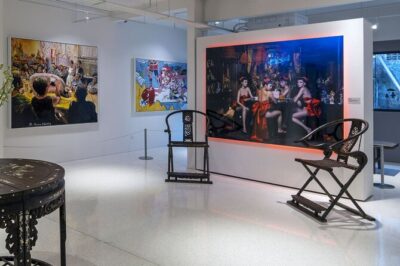
Quirky Art Museum called Ur-Mu in Bukit Bintang, KL
Read our review →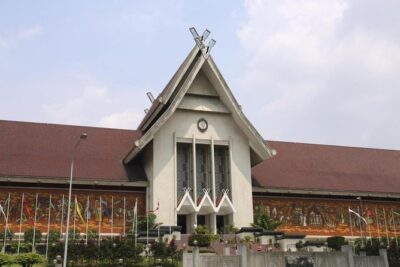
Best of Kuala Lumpur City Tour Including National Museum and National Monument
Read our review →
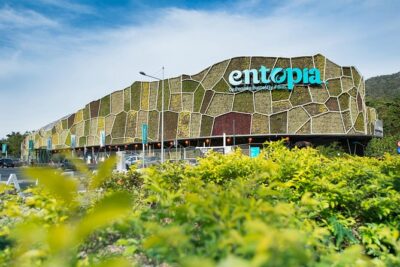
George Town Highlights & Upside Down Museum tours (4 Hours)
Read our review →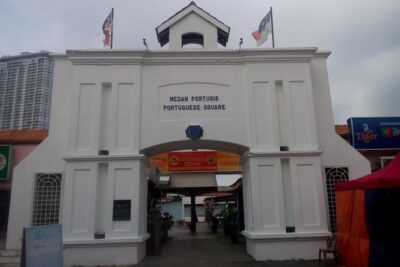
Treasures Of The Far East-Malacca, Museum, Trishaw Ride(Private)
Read our review →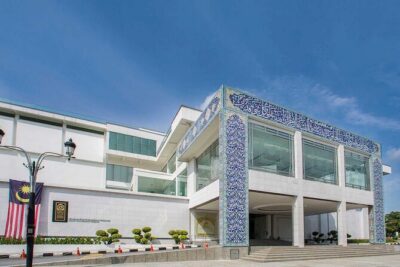
Islamic Arts Museum Admission with Kuala Lumpur Famous Landmarks
Read our review →Browse the lists this tour appears in