
Reviewed · KOTA KINABALU & SABAH TOURS
Sabah Traditional Authentic Cuisine Cooking Class 3 Hours
Sabah’s food is best understood at the stove, not just on a restaurant plate. In this three-hour class, local chefs such as Auntie Cindy, Auntie Winnie, and Chef Bonny explain the ingredients, cooking methods, and food customs behind a meal you prepare yourself. Some sessions take place at a local home, porch, or garden, which gives the class a personal feel.
I like the fresh local ingredients, including garden produce, lemongrass, bunga kantan, and jungle garlic. I also like the hands-on pace: you are not simply watching a chef cook, then being handed lunch. You help prepare the dishes and sit down to eat the results.
The main consideration is that the setting and chef may vary. A home-based class can be wonderfully personal, but it may be less polished than a purpose-built cooking school. Ingredients are prepared before you arrive, so this is mainly a cooking lesson rather than a market visit or full ingredient-preparation workshop.
Key points at a glance
- Cook at a local home or indoor kitchen: Some sessions take place on Aunt Winnie’s porch or in a garden setting.
- Learn from Sabahan cooks: Auntie Cindy, Auntie Winnie, and Chef Bonny lead sessions, depending on the arrangement.
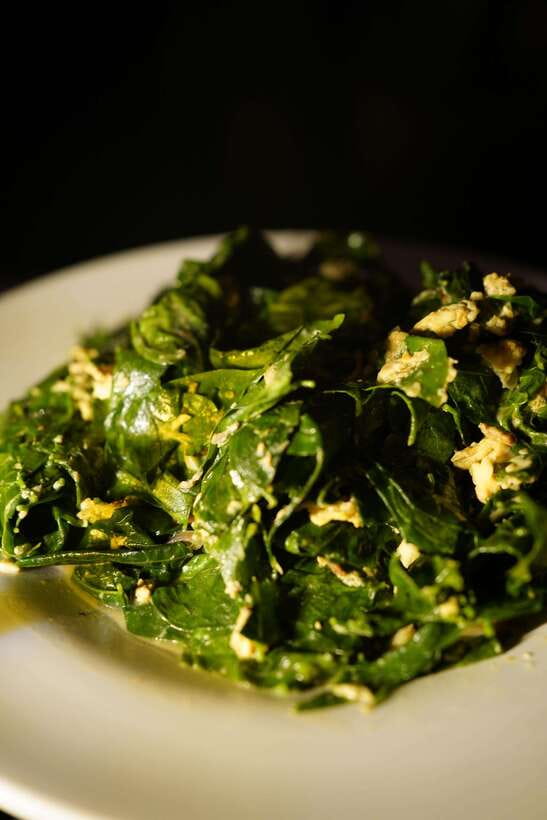
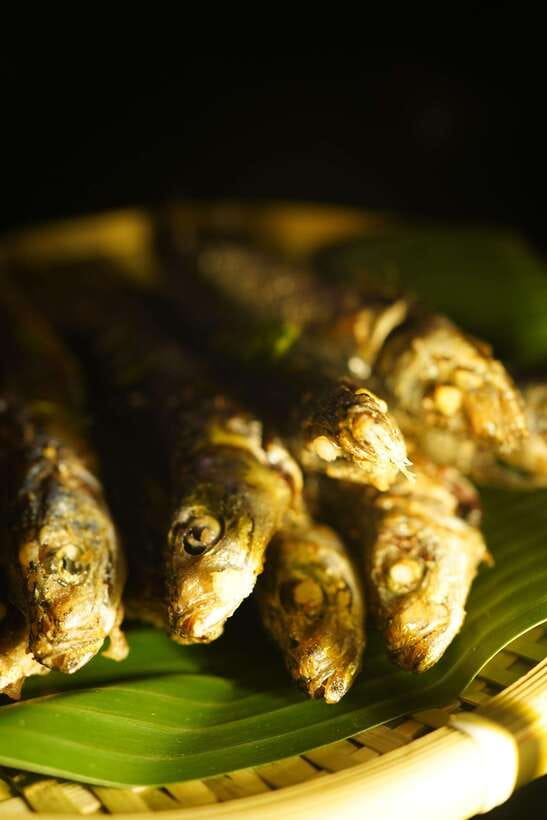
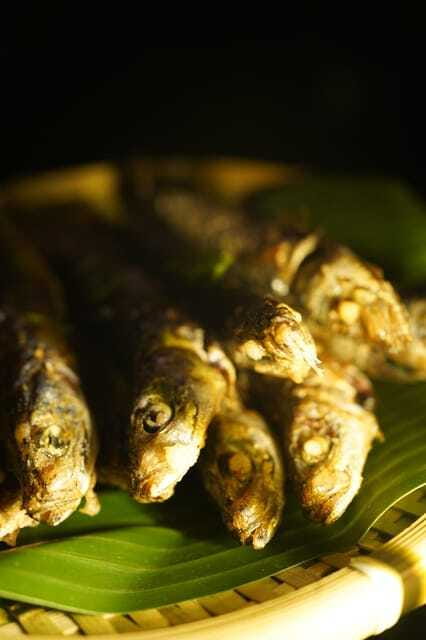
- Taste unusual local ingredients: Bunga kantan, lemongrass, jungle garlic, fresh fish, and garden vegetables may feature.
- Eat your own lunch: The class runs from 10am to 1pm, and you can consume or take home the food you prepare.
- Pickup is included: Free hotel pickup is offered from downtown Kota Kinabalu only.
- Good dietary flexibility: Vegetarian, no-pork, gluten-free, and other requests can be arranged if you provide notice.
Why this Sabah cooking class feels personal
The first thing you notice about this experience is its setting. It is not presented as a large demonstration with a chef working at a distance. You may find yourself cooking at Aunt Winnie’s front porch, on a terrace, or in a local family home surrounded by tropical greenery.
That setting matters. Sabah is a place where food, family, gardens, and daily life often overlap. Cooking in a local home gives you a better sense of that connection than a standard hotel lesson. You may hear stories about an ingredient while standing beside the stove, then eat the finished dish with the people who taught you to make it.
Auntie Winnie has guided many sessions, with help from people such as Gregory and Gunnar. Auntie Cindy and Chef Bonny are also part of the chef team. The exact host can vary, so ask for confirmation if you have your heart set on a particular person.
The class is described as the first original traditional Sabah cuisine cooking class, and its focus is clear: local food, local cooks, and an explanation of where dishes fit within Sabahan food culture. You get more than a recipe card. You get the background that helps you understand why particular herbs, sour notes, spices, or cooking methods are used.
More Sabah trips from Kota Kinabalu
- Guided Snorkeling Day Trip, Kota Kinabalu, Sabah, Malaysia
★ 5.0 · 282 reviews - Full-Day Guided Snorkeling Tour from Kota Kinabalu
★ 4.6 · 101 reviews - Kota Kinabalu: Snorkeling & Island Hopping Sapi & Manukan
★ 3.9 · 97 reviews
A three-hour morning in the Sabah kitchen
The standard session runs from 10am to 1pm. That timing works well for a relaxed morning activity and leads straight into lunch. Hotel pickup is included from downtown Kota Kinabalu hotels, which saves you the trouble of arranging transport if your accommodation is within the stated pickup area.
The drive may take you away from the city and toward a more residential setting. One important practical point: confirm the pickup details and vehicle arrangements in advance. A taxi mix-up caused frustration for one participant before the actual class began, although the cooking session itself proved to be the memorable part of the day.
Once you arrive, the cooking begins with an introduction to the dishes and ingredients. The class includes explanations of Sabah’s food history, culture, ingredients, cooking style, and taste. The chef explains what each item does in the dish, rather than treating herbs and spices as interchangeable decoration.
The ingredients are prepared before the workshop. That means you will not spend much time washing, chopping, or shopping for produce. Instead, the class concentrates on cooking technique and combining the prepared ingredients correctly. If you want a market tour or a lesson in how every ingredient is cleaned from scratch, this may feel limited. If you want to get cooking quickly, it is a sensible use of three hours.
Local ingredients that make the meal different
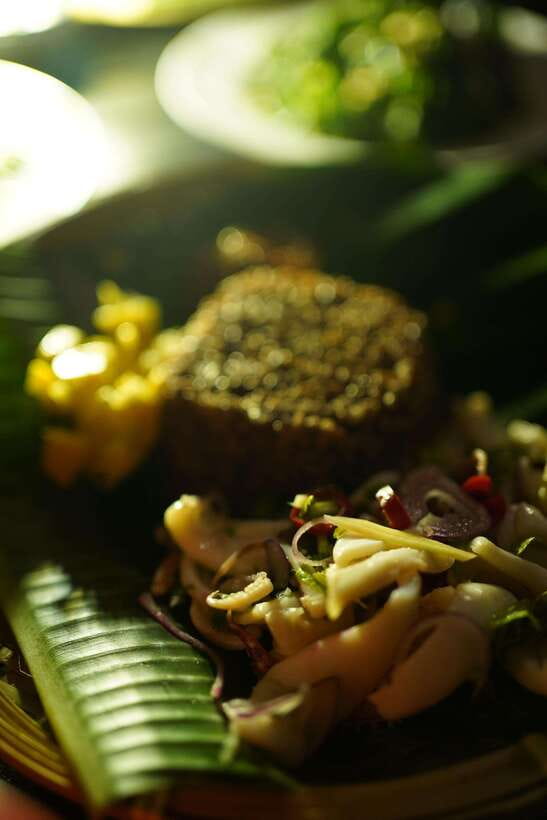
Sabahan cooking can introduce you to flavors that do not often appear on a standard Southeast Asian restaurant menu. Bunga kantan, also called torch ginger flower, brings a sharp floral note. Lemongrass adds a clean citrus scent, while jungle garlic gives dishes a more earthy allium flavor.
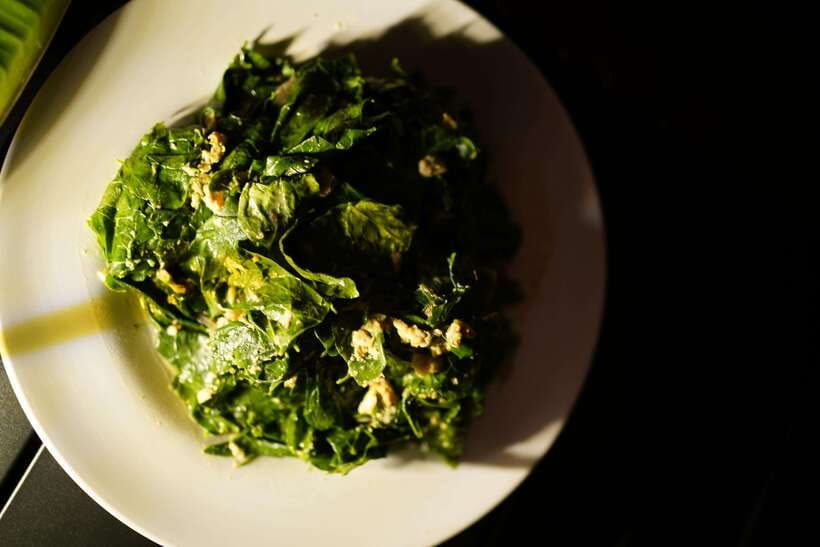
You may also work with fish and vegetables, including produce gathered from a home garden. Aunt Winnie’s garden has supplied ingredients for some classes, giving you a direct link between the plant and the finished dish. That is a small detail, but it changes the lesson. You see that the food is not simply a collection of exotic names on a printed recipe.
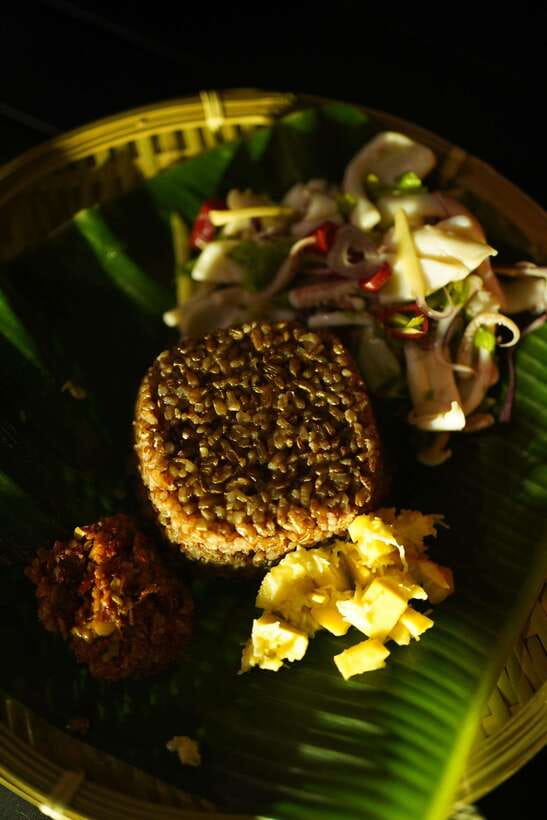
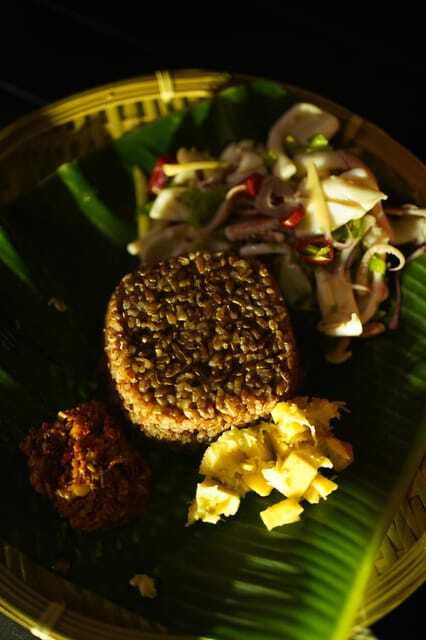
The class also emphasizes presentation. The goal is not only to make food taste good, but to understand how the finished dishes are arranged and served. The phrase exotic taste and presentation is a little promotional, but the unusual ingredients and home-style setting do offer something different from a generic Malaysian cooking course.
Expect a broad range of flavors rather than one single style. Your meal may include fish, vegetables, herbs, and several accompanying dishes. One session prepared more than five Sabah dishes, while another focused on fish and vegetables. The exact menu may depend on the chef, season, dietary needs, and the arrangement for your group.
Learning from Auntie Cindy, Auntie Winnie, and Chef Bonny
The strongest part of the class is the instruction. The chefs explain each step as you cook, and the tone is described as warm, patient, and relaxed. Auntie Winnie, in particular, is known for explaining the story behind ingredients and showing where garden produce comes from.
This is useful for beginners because you can ask questions as you go. You are not expected to know how Sabah ingredients behave in a pan or how much seasoning to use. The cooking is explained step by step, with attention to taste and method.
The chefs also bring local food knowledge that a recipe alone cannot provide. You might learn why a herb is used, how an ingredient changes the balance of a dish, or which flavors are common in Sabah kitchens. These short stories are what turn the session from a simple lunch activity into a cultural lesson.
The class is available in English, Malay, Chinese, and Traditional Chinese. That is a real advantage for a mixed group, though it is still wise to state your preferred language while booking.
You receive copies of the recipes to keep. They are useful souvenirs because the best measure of a cooking class is whether you can make something at home. Ingredients such as lemongrass may be easy to find in many countries, while jungle garlic or bunga kantan may be harder. Still, the methods and flavor combinations can guide you even when you need to make substitutions.
A few more trips around Kota Kinabalu worth a look
- LaZat Malaysian Cooking Class
★ 5.0 · 87 reviews - Malaysia Cooking Classes With Local
★ 5.0 · 87 reviews - New Malaysian Kitchen Cooking Class and Garden Tour
★ 5.0 · 54 reviews - Market Visit & Private Hands-on Cooking Class at Daun Senja
★ 5.0 · 51 reviews
Eating the meal you prepared
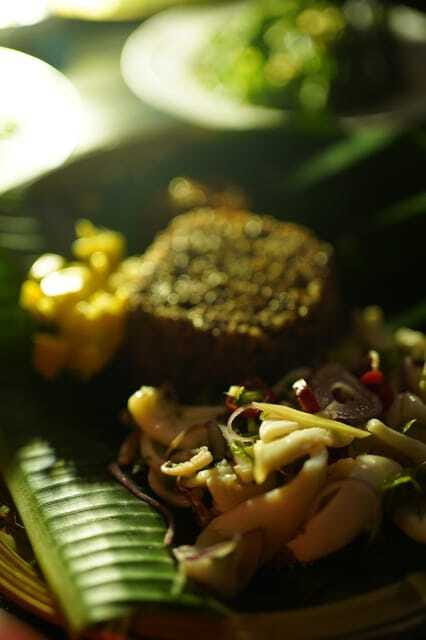
The class ends with lunch made from your own work. Come hungry. One useful tip is not to eat a full meal immediately beforehand, since the class is designed to finish with several dishes.
This part is more than a reward. Tasting the meal helps you understand the cooking decisions made earlier. You can notice how the herbs affect the fish, how the sour or floral notes balance the vegetables, and how the presentation changes the feel of the dish.
You can eat the food at the location or arrange to take it home. The information provided does not promise a particular number of dishes for every session, so do not book based on a fixed menu unless the operator confirms it. The class has produced more than five dishes in some sessions, while other groups prepared a smaller meal.
Utensils and crockery are not included in the listed inclusions. That matters most if you plan to take food away. Ask ahead about containers and serving equipment rather than assuming everything needed for transport is supplied.
Home cooking versus a formal cooking school
The informal setting is both the attraction and the main trade-off. Cooking at a local home, terrace, or garden can feel more genuine than working in a commercial training kitchen. You may meet family members, see garden ingredients, and share a meal in a setting that feels connected to everyday Sabah life.
On the other hand, a home kitchen may have fewer workstations and less restaurant-style equipment. Group size and layout are not specified, so the amount of individual stove time may vary. If you need a highly structured professional kitchen, ask about the format before paying.
The class is described as primarily indoors, but some arrangements take place outdoors or at a campsite. Night classes can also be arranged. These options are useful if the standard morning time does not fit your schedule, but they require advance planning and should not be treated as part of the normal three-hour booking.
The wheelchair-accessible description is helpful, though access can differ between an indoor venue, a private home, and an outdoor location. If step-free access is important, confirm the exact venue rather than relying only on the general activity description.
Is $50 a fair price?
At $50 per person, this class offers reasonable value if you want more than a meal. The fee covers three hours of guided instruction, prepared ingredients, cultural explanations, the food you cook, recipe copies, and hotel pickup from downtown Kota Kinabalu.
A restaurant meal would likely cost less, especially if you choose a simple local café. But a restaurant does not give you the cooking lesson, the personal contact with a local chef, or the chance to reproduce the dishes at home. The value is strongest for people who enjoy food as a way to understand a place.
The price is less compelling if you mainly want a quick tasting or a polished culinary performance. You will spend a morning cooking, listening, and eating. That is a good use of time for food-minded visitors, but not the right choice if you want a fast city tour or a market excursion.
The class currently offers a discount for a limited period, according to the supplied information. Check the current price at booking, since promotional rates can change.
Who should book this experience?
I would choose this class for couples, small groups, solo visitors who enjoy meeting local people, and families with an interest in food. It also suits anyone taking a rest morning between more active Sabah outings. One participant described it as a good recovery day during a longer adventure trip, which makes sense: the pace is active enough to be engaging but not physically demanding.
It is particularly useful for people who want to cook Sabah dishes at home later. The recipes, ingredient explanations, and step-by-step instruction give you a better chance of remembering what you learned.
Vegetarians, guests avoiding pork, and people needing gluten-free food can be accommodated with advance notice. Send those details before the class, not when you arrive, since the ingredients are prepared in advance.
I would hesitate only if your main goal is to visit a food market, harvest ingredients, or spend the full session on knife skills. The class focuses on cooking with prepared ingredients. I would also confirm the venue if you strongly prefer a formal school kitchen over a private home.
Booking details worth checking
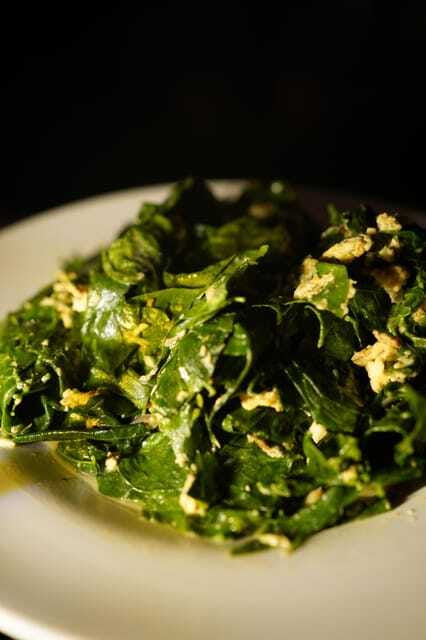
Free cancellation is available up to 24 hours before the activity for a full refund. You can also reserve now and pay later, which helps if your Kota Kinabalu plans are still changing.
The usual session is 10am to 1pm, but you should check available start times. Free pickup is limited to hotels in downtown Kota Kinabalu. If you are staying outside that area, confirm whether you need to arrange your own transport.
Tell the operator about dietary needs, language preferences, mobility requirements, and any special occasion. A birthday cake was arranged for one booking despite a last-minute request, but that sort of extra should be treated as something to ask for, not a guaranteed part of the class.
Should you book the Sabah cooking class?
Book it if you want a personal introduction to Sabah through food, especially if you like learning by doing. The local-home setting, garden ingredients, and patient instruction from Auntie Winnie, Auntie Cindy, or Chef Bonny give the experience a clear sense of place.
Skip it if you want a market visit, a fixed menu, or a professional kitchen with restaurant equipment. For most food-focused visitors, though, $50 is a fair price for the instruction, lunch, recipes, and cultural context. Come hungry, confirm the pickup and venue, and give dietary requests in advance.
FAQ
How long does the Sabah cooking class last?
The standard workshop lasts three hours, usually from 10am to 1pm.
What time does the class usually start?
The regular session begins at 10am and finishes at 1pm. Check availability when booking because starting times can vary.
Where does the class take place?
The workshop is primarily conducted indoors, but some sessions take place at a local home, porch, garden, outdoor site, or campsite. Confirm the exact venue for your booking.
Who teaches the class?
Local chefs and hosts include Auntie Cindy, Auntie Winnie, and Chef Bonny. The particular chef may vary by session.
Is hotel pickup included?
Free pickup is included from hotels in downtown Kota Kinabalu only.
What languages are available?
Instruction is available in English, Malay, Chinese, and Traditional Chinese.
Can dietary requirements be accommodated?
Yes. Vegetarian, no-pork, gluten-free, and other dietary requests can be arranged if you inform the operator beforehand.
Do I get recipes to take home?
Yes. Participants receive copies of the recipes used in the class.
Can I cancel or pay later?
You can cancel up to 24 hours in advance for a full refund. Reserve now and pay later is also available.
More 3-Hour Experiences in Kota Kinabalu
- Langkawi: Mangrove River Cruise Sharing 3 Hours
★ 4.6 · 474 reviews - Private Mangrove Tour 3 Hour (max 8 People)
★ 5.0 · 9 reviews - 3-Hour Private Street Food Walking Tour in Kuala Lumpur
★ 4.5 · 6 reviews - 3-Hour Countryside and Batu Tour in Malaysia
★ 5.0 · 6 reviews
More Workshops in Kota Kinabalu
- Batu Caves and Sari Experience with Batik Workshop
★ 5.0 · 181 reviews - Batik Coloring Workshop by myBatik
★ 5.0 · 48 reviews - Batik Bag Painting Workshop by myBatik
★ 5.0 · 35 reviews - Malaysian Hands-On Cooking Class : Masala Medley
★ 5.0 · 24 reviews
Just added around Kota Kinabalu
- Sabah: White Water Rafting Grade 3-4 at Padas River★ 4.7 · 3 reviews
- Full-Day Sepilok Orangutan and Sandakan City Trail from Kota Kinabalu★ 4.0 · 6 reviews
- Island Hopping ( Manukan & Sapi Island ) From Kota Kinabalu★ 4.5 · 9 reviews
- Monsopiad Cultural Village Visit with Private Transfer from Kota Kinabalu★ 4.5 · 5 reviews
- Sunset E-Foil Experience in Tanjung Aru Beach★ 5.0 · 10 reviews
- Mangrove Kayaking Experience in Borneo★ 5.0 · 8 reviews
- Join us for a RAID Try Dive in Kota Kinabalu★ 5.0 · 27 reviews
- Padas River White Water Rafting from Kota Kinabalu (Grade 3 & 4)★ 3.5 · 4 reviews
Kota Kinabalu & Sabah Tours, compared.

Guided Snorkeling Day Trip, Kota Kinabalu, Sabah, Malaysia
Read our review →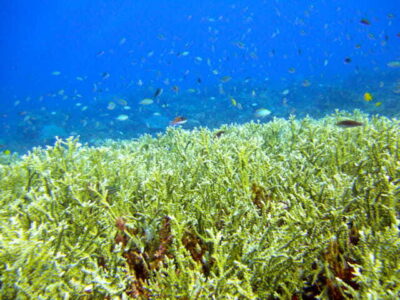
Full-Day Guided Snorkeling Tour from Kota Kinabalu
Read our review →

Leisure Diving | Fun Dives | 3 Dives in TARP, Kota Kinabalu
Read our review →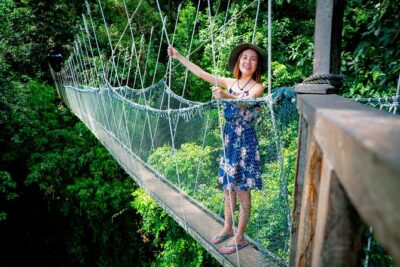
Kinabalu Park & Poring Hot Spring & Canopy Walk
Read our review →
Learn to Dive | RAID Open Water 20 Diver Course | Kota Kinabalu
Read our review →
Browse the lists this tour appears in