
Reviewed · COOKING CLASSES
Kuala Lumpur: Malaysian Cooking Class with Market Tour
Kuala Lumpur’s food culture makes the most sense when you see the ingredients before they reach the plate. This half-day experience begins at TTDI Wet Market, then moves to LaZat Cooking for a hands-on Malaysian meal with an appetizer, main course, and dessert.
I like the market visit because it gives you useful context, not just a quick walk past stalls. I also like the individual cooking setup, which gives you your own burner, utensils, and mortar and pestle. The possible drawback is the early start and the $149 price, which is a serious outlay if you mainly want a cheap meal.
Key points to know before booking
- The day starts at 8:30 AM at TTDI Wet Market, not at the cooking school.
- You cook a complete three-course lunch, with the menu changing according to the day’s ethnic focus.
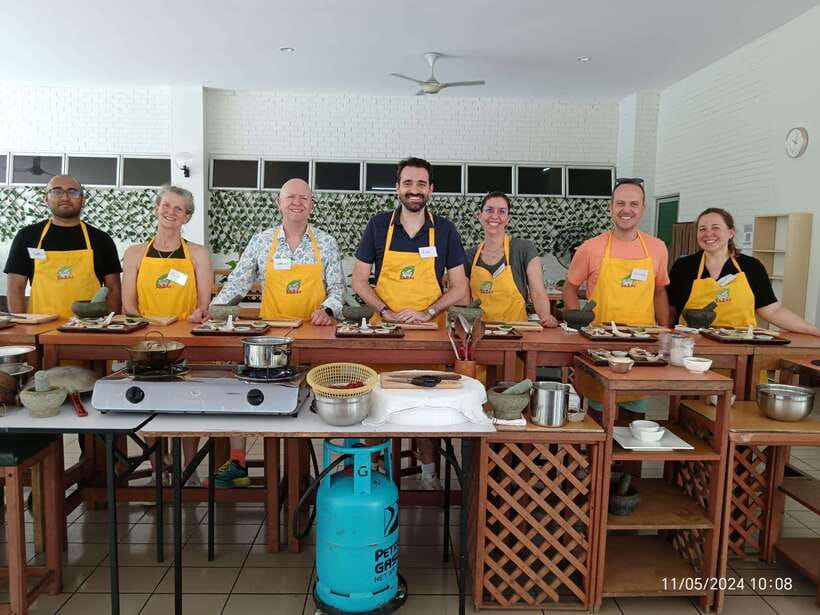
- Your own equipment keeps the class hands-on, including a gas burner, traditional tools, and mortar and pestle.
- Saadiah has been especially memorable as an instructor, with Nasi Lemak and Chicken Rendang among the dishes she teaches.
- The market-to-school transfer is included, but you must arrange transport to the market and away from the school.
- You can skip the market tour, but you need to confirm the later arrival time when booking.
Starting at TTDI Wet Market at 8:30 AM
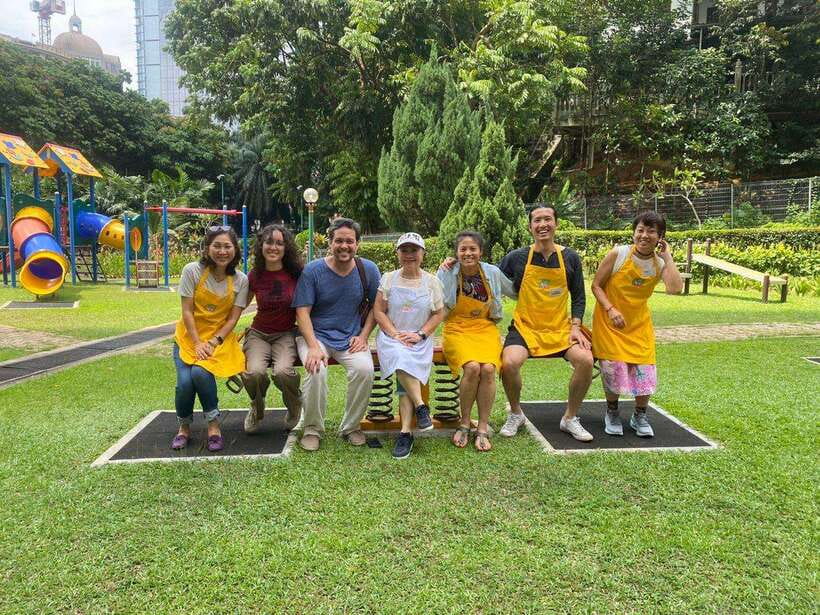
The first practical point is also the easiest to miss: you do not begin at LaZat Cooking. You meet the representative at the entrance of Pasar Besar TTDI facing Jalan Wan Kadir.
Plan your morning around that location. Transport to the market is not included, so you need to make your own way there. The class has a fixed morning rhythm, and arriving late could mean missing the market portion or joining the cooking session after it has begun.
The market tour is more useful than a standard sightseeing stop because it introduces the building blocks of Malaysian cooking. You learn about local ingredients and cooking techniques while seeing fresh produce in its normal setting. The guide also has relationships with stall holders, which helps turn the visit into a practical lesson rather than a simple walk through a food market.
You might see ingredients that are familiar in name but less familiar in appearance or use. This is where the market earns its place in the schedule. Later, when you work with herbs, spices, and other local produce in the kitchen, you have already seen where those ingredients fit into daily Malaysian food culture.
One particularly useful detail from the morning is the chance to eat at the market before class. Roti canai has been singled out as a favorite, so if you see it available, it may be worth making room for a small portion. Snacks, coffee, and tea are included during the overall experience, but the market itself may tempt you to spend a little extra.
A few more trips around Kuala Lumpur worth a look
- LaZat Malaysian Cooking Class
★ 5.0 · 87 reviews - Malaysia Cooking Classes With Local
★ 5.0 · 87 reviews - New Malaysian Kitchen Cooking Class and Garden Tour
★ 5.0 · 54 reviews
From market stalls to the LaZat kitchen
After the market tour, transport to LaZat Cooking School is included. That makes the change of location easy and removes the need to work out a second route across Kuala Lumpur.
LaZat’s approach centers on traditional Malaysian cooking, family recipes, and fresh herbs and spices from its garden and local farms. The aim is not to turn you into a professional cook in five and a half hours. It is to show you how Malaysian food gets its flavor and to let you practice the key steps yourself.
The school supplies each participant with an individual cooking station. You receive a gas burner stove, countertop space, cooking utensils, traditional utensils, and a mortar and pestle. That setup matters. In a demonstration-only class, you can watch a chef produce a dish and then hope you remember what happened. Here, you get to handle the ingredients and follow the process yourself.
The mortar and pestle are especially important for the style of cooking. Malaysian dishes often depend on freshly ground aromatics and spice pastes, and using traditional equipment helps you understand the work behind those flavors. It can also make the class feel more physical than simply stirring a pot on an electric hob.
Cooking a three-course Malaysian lunch
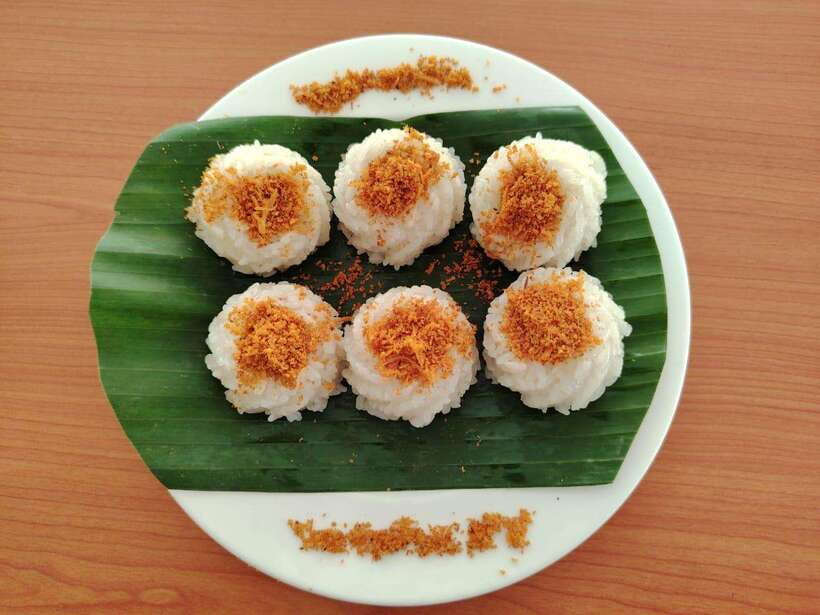
Each class includes an appetizer, a main course, and a dessert. The menu changes each day and reflects a different ethnic menu, so you should check the specific date if a particular dish matters to you.
That changing menu is good for repeat visitors and for anyone who wants a broader picture of Malaysian food. It also means you should not book expecting one fixed set of recipes unless the provider confirms what will be prepared on your chosen day.
Nasi Lemak and Chicken Rendang have been taught in at least one class, and they make a useful pair for understanding Malaysian food. Nasi Lemak is built around fragrant coconut rice and accompaniments, while rendang shows how patience and seasoning create a thick, deeply flavored dish. The exact menu varies, but these examples give you a sense of the range.
The three-course structure gives the class a proper sense of purpose. You are not just making one recipe and eating it immediately. You work toward a full lunch, with several dishes that need different forms of preparation and attention.
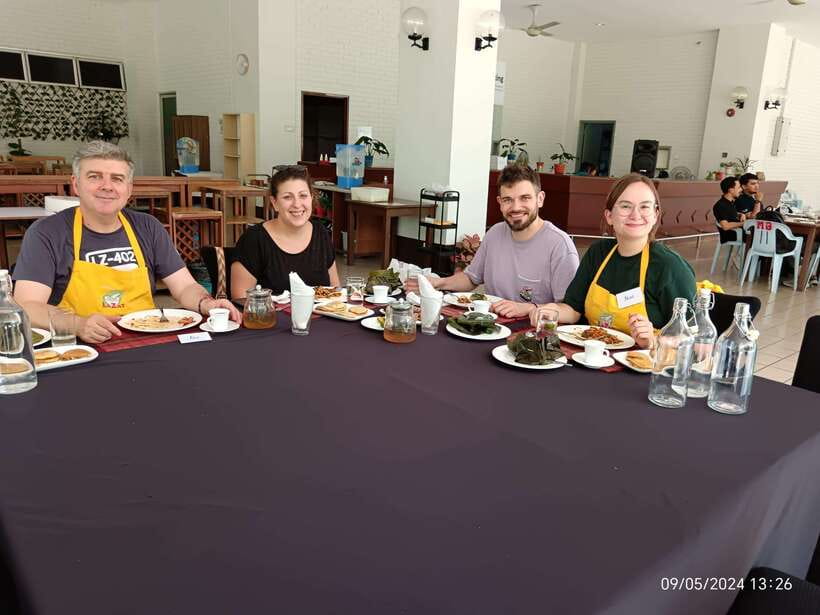
The class is hands-on, but it is also social. You cook alongside the instructor and other participants, then sit down to enjoy the food together. That shared meal is part of the value. It gives you time to compare results, ask questions, and appreciate the dishes as a complete meal rather than a collection of cooking exercises.
The instructors make the difference
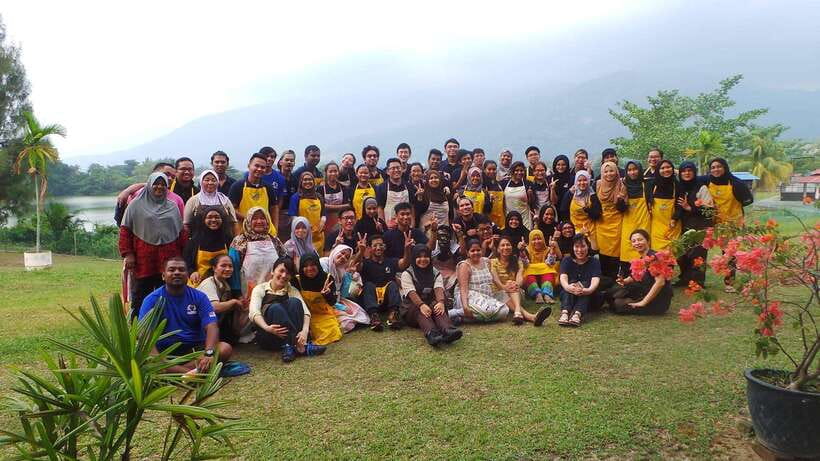
The teaching language is English, Malay, or Chinese. That gives the class a useful level of flexibility for an international group, while English makes it accessible to most visitors booking from abroad.
Saadiah deserves special mention. She has taught Nasi Lemak and Chicken Rendang and brings personal stories about Malaysian life, history, and culture into the lesson. She is usually associated with Saturday classes, so if her teaching style appeals to you, check the schedule rather than assuming every session has the same instructor.
A good cooking teacher does more than read out instructions. You want someone who can explain why a step matters, notice when a mixture needs more work, and keep the group moving without rushing. Saadiah’s role has been praised for combining food instruction with personal cultural context, which gives the class more character.
The provider’s philosophy is expressed through the idea of treating ingredients with care and affection. That may sound sentimental, but it has a practical side. Malaysian cooking depends heavily on the condition of herbs, spices, aromatics, and pastes. Paying attention to how you crush, mix, and cook them can make a real difference to the final dish.
Same base, a different sort of day:
- Kuala Lumpur: Batu Caves Half-Day Tour with Pick-Up Option
★ 4.5 · 4,288 reviews - Private Half-Day Batu Caves and Cutural Tour in Kuala Lumpur
★ 5.0 · 3,107 reviews - Sambal Streets Kuala Lumpur Food Tour with 15+ Tastings
★ 5.0 · 2,438 reviews - Historical Malacca Guided Day Tour (Shared Tour)
★ 5.0 · 2,172 reviews
What the market adds to the cooking lesson
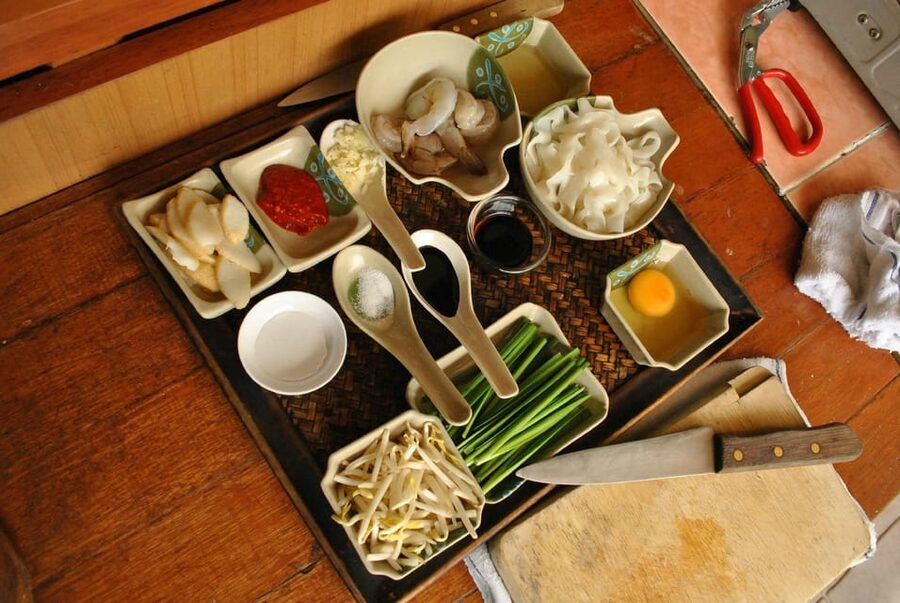
You can skip the market tour and join the class later, but I would keep it unless your schedule makes the early start impossible.
The market gives you three useful things:
- It helps you recognize ingredients before you are asked to cook with them.
- It shows how local food shopping fits into everyday life.
- It gives the instructor a natural place to explain techniques and ingredients.
Without the market, you still receive the cooking class and the meal. With it, you get a clearer connection between market produce and the food on your plate. That connection is valuable in Kuala Lumpur, where Malaysian cuisine draws on several cultural traditions and a wide range of ingredients.
There is also a simple pleasure in seeing food before it has been cleaned, chopped, measured, and arranged for a recipe. The market portion keeps the class tied to the city around it.
Is $149 a fair price?
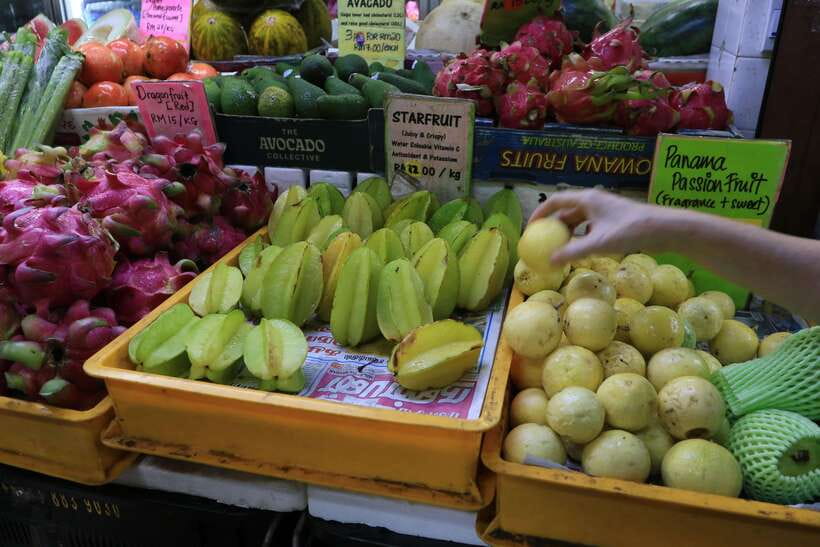
At $149 per person, this is not a bargain lunch. You are paying for a 330-minute experience, an organized market visit, transport from the market to the school, instruction, ingredients, snacks, tea or coffee, and a complete meal.
The individual equipment is another part of the value. You are not simply watching a chef cook while standing behind a crowded counter. You receive your own burner and utensils, which makes the experience more active and personal.
The price makes the most sense if you want a full food activity rather than a restaurant meal. It is also easier to justify if you value the market tour, cultural explanation, and recipes you can use later. If your main goal is to taste Malaysian food as cheaply as possible, Kuala Lumpur offers less expensive options.
The small-group format helps. The class is designed for individuals and groups, and the setup allows you to cook with guidance while still sharing the experience with others. The exact group size is not specified, so I would not book expecting a private lesson.
Timing, transport, and the practical details
The full experience lasts 330 minutes, or five and a half hours. With an 8:30 AM market meeting time, you should expect the activity to occupy much of the morning and early afternoon.
Your transport responsibilities are clear:
- You arrange transport to TTDI Wet Market.
- The transfer from the market to LaZat Cooking is included.
- You arrange your own transport after class.
That makes the market the most important point for planning. Do not head directly to the cooking school unless you have arranged to skip the tour and confirmed the later meeting instructions.
The class welcomes people with dietary needs, but you should provide those details in advance. Since each day features a different menu, early notice gives the school a better chance to explain what can be adjusted.
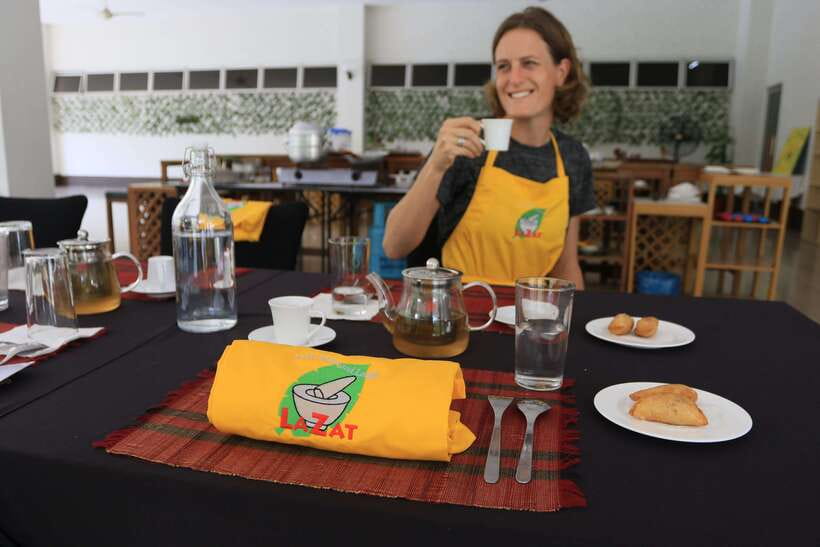
Alcohol is not included. Coffee and tea are included, along with snacks, so you should not need to plan around an empty stomach. Still, the cooking session begins in the morning, and the market may offer tempting food before you start.
Free cancellation is available up to 24 hours before the experience for a full refund. You can also reserve now and pay later, which is useful if your Kuala Lumpur plans are still shifting.
Who will enjoy this class most?
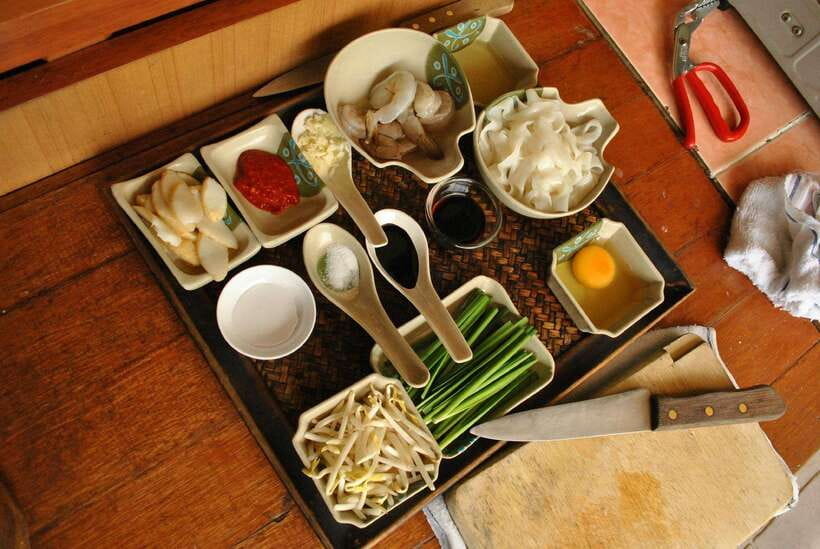
I would recommend it to anyone who wants to understand Malaysian food through preparation, not just eating. It suits curious cooks, couples, solo visitors who enjoy small-group activities, and families or friends looking for a structured half-day outing.
It is a good fit if you like asking questions and getting your hands busy. You will gain more from the experience if you are willing to grind, stir, taste, and adjust rather than simply follow instructions passively.
The class also suits visitors who want cultural context without booking a full city tour. The market, the traditional equipment, the changing ethnic menus, and the instructor’s personal stories all add background to the meal.
I would think twice if you dislike early starts, have no interest in cooking, or want complete control over the menu. The $149 cost also makes this a poor choice for anyone focused only on value per meal.
Should you book the LaZat Cooking Class?
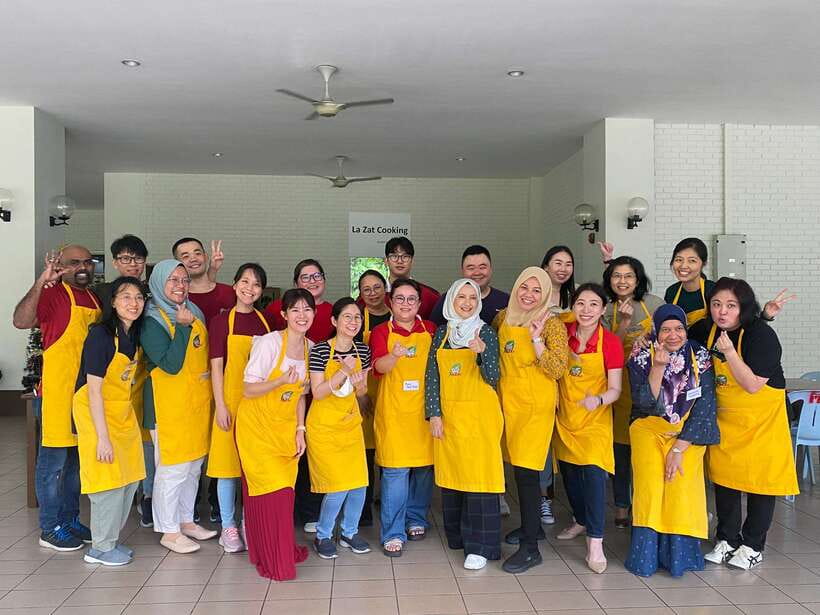
Book it if you want a substantial Malaysian food experience that combines a local market, practical cooking, and a shared lunch. The best reasons are the early market context, the individual equipment, and the chance to learn dishes such as Nasi Lemak and Chicken Rendang from an instructor such as Saadiah.
Skip it if you only want a quick food stop or if the price feels too high for a half-day activity. If you do book, start by checking the menu for your date, confirm the meeting time at TTDI Wet Market, and mention dietary needs in advance.
FAQ
Where does the experience begin?
It begins at TTDI Wet Market, also called Pasar Besar TTDI. The meeting point is at the entrance facing Jalan Wan Kadir.
What time does the market tour start?
The market tour starts at 8:30 AM.
How long does the full experience last?
The stated duration is 330 minutes, which is five and a half hours.
Is transport to the market included?
No. You must arrange your own transport to TTDI Wet Market.
Is transport to the cooking school included?
Yes. Transfer from the wet market to LaZat Cooking School is included after the market tour.
Is transport after the cooking class included?
No. You must arrange your own transport after the class finishes.
Can I skip the market tour?
Yes. You can skip the market tour and join the cooking class later, but you should confirm the later arrival details in advance.
What food do I prepare?
You prepare a three-course lunch with an appetizer, main course, and dessert. The menu changes each day and features a different ethnic menu.
What equipment is provided?
Each participant receives a gas burner stove, countertop cooking space, cooking utensils, traditional utensils, and a mortar and pestle.
What languages are spoken?
Instruction is available in English, Malay, and Chinese.
Are snacks and drinks included?
Yes. Snacks and coffee or tea are included. Alcoholic beverages are not included.
Can the class accommodate dietary needs?
The class welcomes participants with dietary needs. Provide your requirements in advance so the school can address them.
Who teaches the class?
The instructor depends on the class date. Saadiah is one of the instructors and is usually associated with Saturday sessions.
What is the cancellation policy?
You can cancel up to 24 hours in advance for a full refund.
Can I pay later?
Yes. The experience offers a reserve-now, pay-later option.
More Workshops in Kuala Lumpur
- Batu Caves and Sari Experience with Batik Workshop
★ 5.0 · 181 reviews - Market Visit & Private Hands-on Cooking Class at Daun Senja
★ 5.0 · 51 reviews - Batik Coloring Workshop by myBatik
★ 5.0 · 48 reviews - Batik Bag Painting Workshop by myBatik
★ 5.0 · 35 reviews
Just added around Kuala Lumpur
- Transit Tour Private Tour (Ex Port Klang Cruise Centre/KLIA 1 &2)★ 5.0 · 10 reviews
- Sunway Lagoon Ticket (One Day Pass)★ 3.5 · 5 reviews
- Private Kuala Lumpur Shore Excursions★ 4.5 · 22 reviews
- Private Transfer: Kuala Lumpur International Airport to or from Hotel★ 4.5 · 14 reviews
- Kuala Lumpur City & Batu Caves Temple Private Tour★ 4.5 · 3 reviews
- Full Day Melaka Private Tour from Kuala Lumpur★ 4.0 · 5 reviews
- Private Port Klang Cruise to Kuala Lumpur City Tour★ 5.0 · 3 reviews
- Kuala Lumpur Airport Transit Tour (4 hours)★ 5.0 · 12 reviews
Cooking Classes, compared.

New Malaysian Kitchen Cooking Class and Garden Tour
Read our review →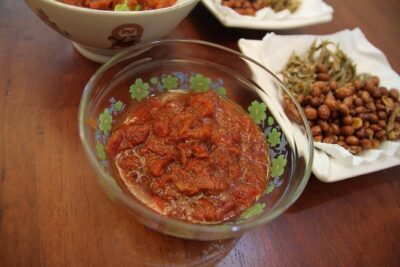
Market Visit & Private Hands-on Cooking Class at Daun Senja
Read our review →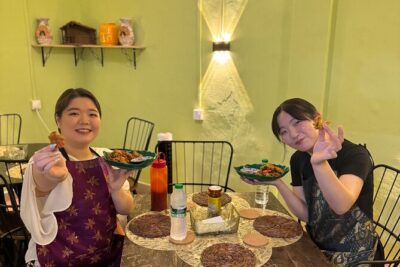
Malaysian Hands-On Cooking Class : Masala Medley
Read our review →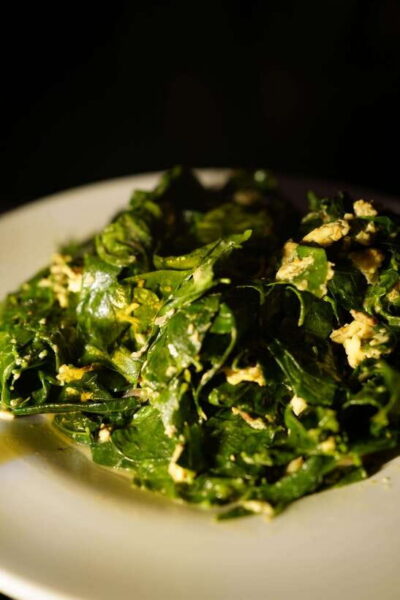
Sabah Traditional Authentic Cuisine Cooking Class 3 Hours
Read our review →Browse the lists this tour appears in