Reviewed · KUALA LUMPUR TOURS
Culinary Journey Through Chinatown with All Type of Delicacies
Kuala Lumpur’s Chinatown is best understood one bite at a time, and this three-hour food walk gives you a tidy route through Central Market, Petaling Street, and several small eateries. You sample Malaysian Chinese, Malay, and Indian Muslim specialties rather than sitting down for one large meal.
I like the mix of tastes, especially the chance to compare sweet apam balik and tofu fa with savory roti canai and Hokkien mee. I also like the small-group limit of 15 people, plus the personal touch offered by guide Rayhan Raj Naidu, who has earned praise for his friendly service and useful Kuala Lumpur advice. The main consideration is value: at $104.80 per person, this is not a cheap snack crawl, and a solo participant may have fewer people with whom to share dishes.
Key points to know
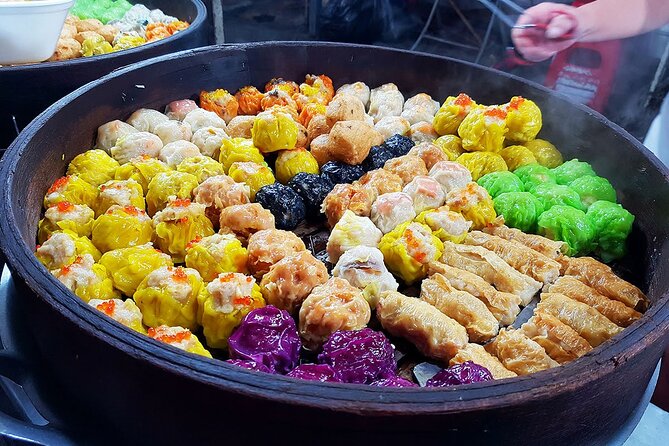
- Seven food-focused stops: Try bakkwa, Malaysian pancake, soya bean drinks, tropical fruit, teh tarik, roti canai, and Hokkien mee.
- Starts at 4:00 pm: Meet at the information counter near Central Market, then walk toward Petaling Street.
- About 2 to 3 kilometers on foot: The pace includes stops to eat and rest, but comfortable shoes still matter.
- Small group of up to 15: You get more direct contact with the English-speaking host than on a large bus tour.
- Dietary requests are possible: Halal and vegetarian choices are available if you provide details when booking.
- You find your own way there: Hotel pickup and drop-off are not included, and the tour returns to the original meeting point.
Starting at Central Market at 4:00 pm
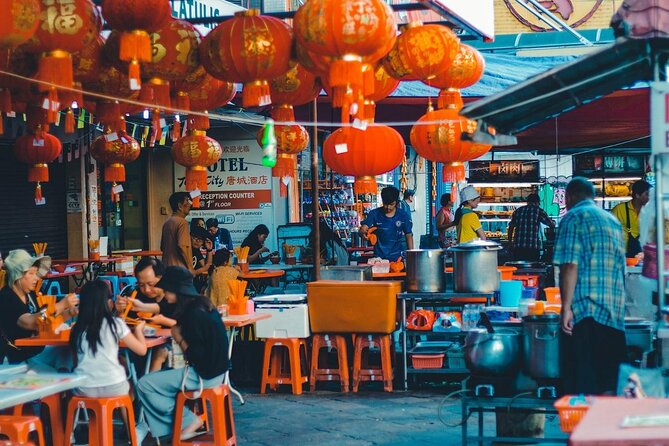
The meeting point is at the entrance to Central Market in Kuala Lumpur City Centre. Look for the information counter, where the host begins the welcome and explains the plan for the evening.
Central Market is a sensible starting point. It is near public transportation and easy to reach by taxi or Grab. Tell your driver to take you to Central Market Kuala Lumpur, then allow a little extra time to find the entrance. Since transport is not included, this small bit of planning is yours.
The walk is designed for people with a moderate level of fitness. You cover roughly 2 to 3 kilometers, but this is not a march from restaurant to restaurant. Each tasting takes time, and the stop, relax, and enjoy rhythm makes the route manageable for most people.
Bring an appetite. The advice to arrive with an empty stomach is sound. Seven tasting stops can add up quickly, even when each serving is modest.
One practical warning: the supplied tour information includes unrelated references to mangrove crab catching, Borneo Kellybays, and Kota Kinabalu. Those details do not match this Kuala Lumpur Chinatown experience. The route described here begins at Central Market and ends there after food tastings in and around Chinatown.
A few more trips around Kuala Lumpur worth a look
- Kuala Lumpur: Batu Caves Half-Day Tour with Pick-Up Option
★ 4.5 · 4,288 reviews - Private Half-Day Batu Caves and Cutural Tour in Kuala Lumpur
★ 5.0 · 3,107 reviews - Sambal Streets Kuala Lumpur Food Tour with 15+ Tastings
★ 5.0 · 2,438 reviews
Walking into Petaling Street
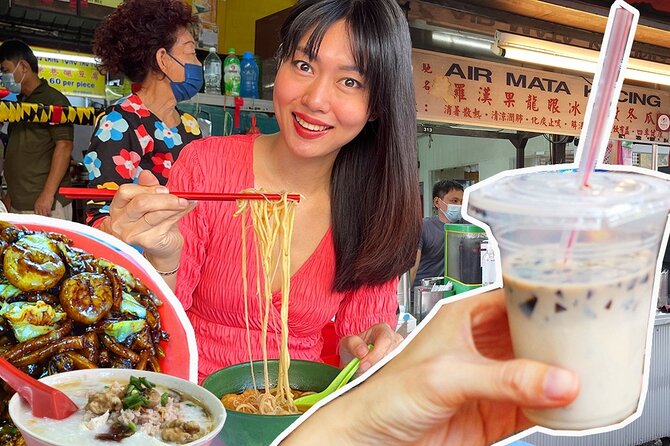
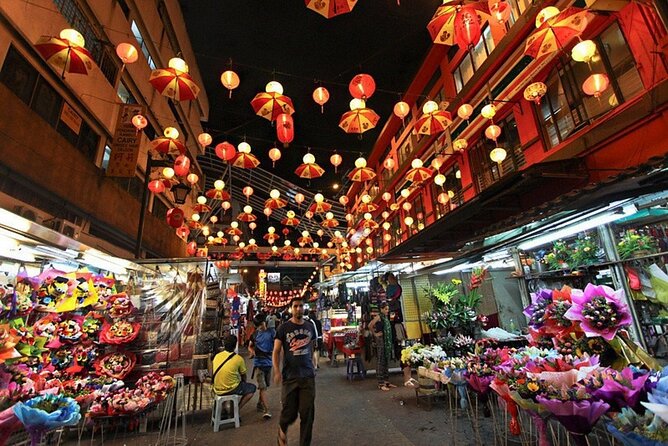
From Central Market, you head toward Petaling Street, the main market area of Kuala Lumpur’s Chinatown. This is where the food walk gains its setting. You are not simply being driven between restaurants. You move through a district known for shopping, street food, and Chinese Malaysian influences.
The time at Petaling Street is short, about 15 minutes in the stated schedule. That means you should not expect a long shopping session or a detailed market tour. Instead, think of it as an introduction to the area before the food takes priority.
You may have time to look at souvenirs and observe the market activity, but keep your attention on the group and the next tasting. If you want a leisurely browse through every stall, return later on your own.
A guide matters here because Chinatown can feel like a string of unrelated food counters when you first arrive. A local host can point out what you are eating, how it is usually served, and which communities have shaped Kuala Lumpur’s food culture.
Bakkwa brings the first savory bite
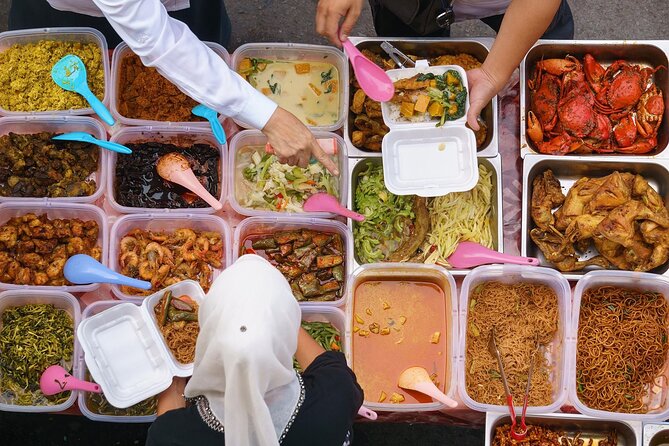
One of the first tastings is bakkwa, a Chinese dry meat prepared in the Malaysian style. Two types of meat are included, giving you a direct comparison rather than a single sample.
Bakkwa is sweet, smoky, chewy, and strongly flavored. It is often sold in thin pieces and works well as a snack. If you prefer delicate food, this may be one of the more intense stops. If you enjoy grilled or cured meat, it gives the tour an immediate local character.
This is also a useful reminder that Kuala Lumpur’s Chinatown food is not limited to noodles and dumplings. Malaysian Chinese food has its own flavor profile, and bakkwa is a good example.
The tasting is listed at about 15 minutes. That is enough time to sample both types and ask questions, but not enough for a long lesson about preparation. Use the moment to tell the host about food allergies or restrictions before you eat.
Apam balik balances crunch and softness
Next comes apam balik, a Malaysian-style pancake with a soft center and crisp edges. The filling includes a sweet blend of sugar and other ingredients, giving you a snack that is both light and filling.
I like this stop because it shows how a simple pancake changes with texture. The middle is tender, while the outside supplies the crunch. It is an easy food to enjoy even if you are still finding your way through unfamiliar dishes.
Apam balik also helps pace the meal. After the savory bakkwa, a sweet pancake gives your palate a change of direction. The portion is a tasting rather than a full dessert, but several stops still follow, so you should avoid treating it as a signal to eat a large amount.
For anyone with a sweet tooth, this may be one of the most memorable foods on the route. For anyone who prefers savory dishes, it is still worth trying, since texture is the main attraction.
Same base, a different sort of day:
- Historical Malacca Guided Day Tour (Shared Tour)
★ 5.0 · 2,172 reviews - Kuala Lumpur: Sambal Street Food Tour with 15+ Tastings
★ 4.9 · 1,657 reviews - From Kuala Lumpur: Batu Caves Cultural Temple Tour
★ 4.7 · 1,453 reviews - Genting Highland & Batu Cave Guided Day Tour (SIC/Shared Tour)
★ 5.0 · 1,289 reviews
Soya bean drink, tofu fa, and tropical fruit
After the first food samples, the walk includes a soya bean drink. You can have it hot or cold. The hot version comes with tofu fa, a soft, jelly-like soybean curd that works as a gentle dessert or snack.
This stop offers a different kind of food experience. Bakkwa and apam balik ask you to focus on chew and crunch. Tofu fa is softer and more delicate. If you have never tried it, the texture may be the thing you notice first.
The tour also includes local tropical fruits during the walk. The exact fruit selection is not fixed, so you should treat this as a seasonal tasting rather than a guaranteed list. That flexibility is practical for a street-food route, since availability can change.
The food stops may also be moved if a particular street-food site is unavailable. The experience is intended to remain similar, but the exact vendor or location can change. That is worth knowing if you have your heart set on one particular stall.
Teh tarik and roti canai at an Indian Muslim restaurant
The next stop takes you to a local Indian Muslim restaurant for teh tarik and roti canai. These two items make a strong pair.
Teh tarik is Malaysia’s famous pulled tea, usually sweet and milky. The pouring method gives it a frothy surface, though the tour’s value is mainly in tasting the drink in the setting where it is commonly enjoyed.
Roti canai is a flaky flatbread served as a breakfast or tea-time food. It is satisfying without being heavy in the way a full rice dish can be. One guest singled out this roti as the best they had eaten during their trip, which tells you where the strongest personal food reaction may come.
This stop also broadens the tour beyond Chinatown’s Chinese food. Kuala Lumpur’s food identity is built from several communities, and an Indian Muslim restaurant belongs naturally in the story.
If you are not used to sweet tea, ask about the drink before it is prepared. If you have dietary needs, mention them at booking and remind the host at the start.
Finishing with Hokkien mee
The final major tasting is Hokkien mee at a Chinese restaurant. This is a fitting way to end the walk because it gives you a more substantial noodle dish after several snack-sized samples.
The tour describes it as a unique-style Chinese noodle preparation. Exact ingredients and portion size are not provided, so you should expect a tasting rather than a full restaurant dinner. The dish is useful for comparing a cooked meal with the earlier market snacks.
By this point, the sequence has moved through dry meat, pancake, soybean dessert, fruit, tea, flatbread, and noodles. That range is the main reason to choose this experience. You are not paying only for calories. You are paying for a guided route through several food traditions in a compact part of Kuala Lumpur.
The walk ends back at the original meeting point. There is no hotel transfer afterward, so you can continue exploring Chinatown or arrange your own ride from Central Market.
What the $104.80 price really buys you
At $104.80 per person, this is a premium food walk. You can spend far less on individual snacks in Kuala Lumpur, especially if you are comfortable choosing stalls by yourself.
The price makes more sense if you value structure and guidance. Your fee includes an English-speaking local host, the food and drink tastings, dessert tastings, and bottled water. You also get a planned route that joins several cuisines in one outing.
The small-group limit of 15 helps. A host can answer more questions and keep an eye on dietary needs more easily than on a large group tour. The experience may be especially useful on your first day in Kuala Lumpur, when you want a practical introduction without guessing what to order.
The value is weaker if you already know Chinatown well, speak with local vendors comfortably, or prefer to graze independently. It is also less compelling for someone seeking a full dinner, since the meal is split into samples and the tour lasts about three hours.
A solo participant should keep the price in mind. One person can still enjoy the route, but sharing several foods with a group often makes tasting tours feel more social and gives you more chances to compare reactions.
Group size, guide style, and the Rayhan factor
The tour allows a maximum of 15 people. That is small enough for a personal feel, though the exact atmosphere will depend on how many people book that day.
Rayhan Raj Naidu is named by guests as a friendly host with strong service skills. He also offered useful suggestions for a wider road trip around Malaysia after the tour. That detail matters if you want more than food facts. A good local host can help you connect the Chinatown walk with the rest of your trip.
The tour is conducted in English. The host leads the route, explains the foods, and helps you move between stops. The supplied details do not promise a formal cooking demonstration or a long history lecture, so book this for tasting and local orientation rather than a culinary class.
The schedule allows roughly 15 minutes at each listed stop. Street-food conditions can affect timing, and weather or safety rules may change the activity time. Keep your evening flexible rather than booking a tight appointment immediately afterward.
Dietary needs and practical comfort
Halal and vegetarian options are available, but you must give notice when booking. You should also tell the host about allergies or any special diet. Do not wait until the first stall if your safety depends on ingredient information.
The walk is generally suited to most people, but a moderate fitness level is recommended. Comfortable shoes are more useful than dress shoes, since you will cover several kilometers on foot and pause on city streets.
Bottled water is included. Alcoholic drinks and additional beverages are not included, so plan to pay separately if you want anything beyond the scheduled tastings.
A mobile ticket is provided. Wear clothing suitable for a warm city walk. The supplied notes also include temple dress guidance: shoulders should be covered, and trousers or skirts should reach at least the knees. Shoes must be removed at the entrance, with lockers available. This matters only if your route includes a Hindu temple visit, but a scarf or shawl is a smart item to carry.
Who should book this Chinatown food walk?
I would choose this experience if you want a guided first look at Kuala Lumpur’s food culture and prefer trying many small portions to ordering one unfamiliar meal. It suits curious eaters, couples, solo visitors who want company, and anyone who likes learning through local examples.
It is also a good fit if you want to sample several communities in one evening. The Chinese bakkwa and Hokkien mee, Malay-style apam balik, soybean dessert, and Indian Muslim teh tarik and roti canai create a broader picture than a Chinatown-only noodle crawl.
I would hesitate if you are looking for a low-cost meal, a long market-shopping session, or a formal cooking lesson. I would also check the final price carefully if you are traveling alone and usually prefer to choose your own food.
The strongest praised points are the friendly guide, the useful local advice, and the roti canai. The 4.8 rating from six reviews supports a positive overall impression, but the small number means you should still judge the tour by its format and price.
Should you book it?
Book this tour if you want a well-organized, three-hour introduction to Kuala Lumpur’s Chinatown food scene, with a guide to handle the route and explain what is on your plate. The variety is the real draw, and the 4:00 pm start leaves your morning and early afternoon free.
Skip it if you are already comfortable exploring Petaling Street alone or if $104.80 feels high for tasting portions. Either way, the route gives you a useful checklist of foods to seek out: bakkwa, apam balik, tofu fa, teh tarik, roti canai, and Hokkien mee.
FAQ
Where does the Chinatown food tour start?
It starts at the entrance to Central Market in Kuala Lumpur City Centre, near the information counter.
What time does the tour begin?
The start time is 4:00 pm.
How long does the experience last?
The tour lasts approximately three hours.
Where does the tour finish?
It ends back at the original meeting point near Central Market.
Is hotel pickup included?
No. You must arrange your own transport to Central Market and return to your accommodation afterward.
How much walking is involved?
You should expect approximately 2 to 3 kilometers of walking, with stops to rest and eat.
Are vegetarian and halal options available?
Yes. Halal and vegetarian options are available, but you should request them when booking.
Can I cancel for a full refund?
Yes. You can cancel up to 24 hours before the experience start time for a full refund. Changes or cancellations made less than 24 hours before the start time are not accepted for a refund.
Just added around Kuala Lumpur
- Transit Tour Private Tour (Ex Port Klang Cruise Centre/KLIA 1 &2)★ 5.0 · 10 reviews
- Sunway Lagoon Ticket (One Day Pass)★ 3.5 · 5 reviews
- Private Kuala Lumpur Shore Excursions★ 4.5 · 22 reviews
- Private Transfer: Kuala Lumpur International Airport to or from Hotel★ 4.5 · 14 reviews
- Kuala Lumpur City & Batu Caves Temple Private Tour★ 4.5 · 3 reviews
- Private Port Klang Cruise to Kuala Lumpur City Tour★ 5.0 · 3 reviews
- Full Day Melaka Private Tour from Kuala Lumpur★ 4.0 · 5 reviews
- Kuala Lumpur Airport Transit Tour (4 hours)★ 5.0 · 12 reviews
Kuala Lumpur Tours, compared.
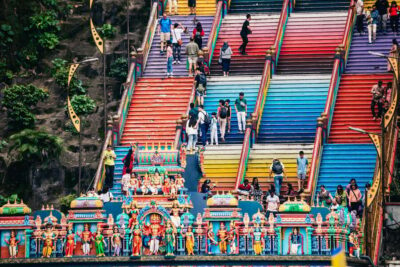
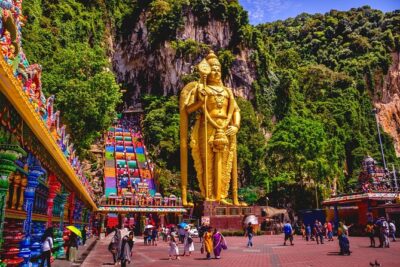
Private Half-Day Batu Caves and Cutural Tour in Kuala Lumpur
Read our review →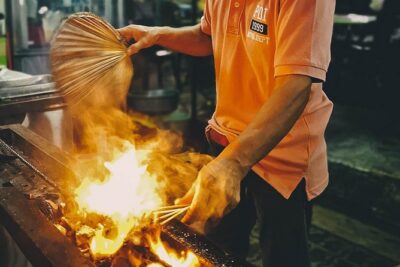
Sambal Streets Kuala Lumpur Food Tour with 15+ Tastings
Read our review →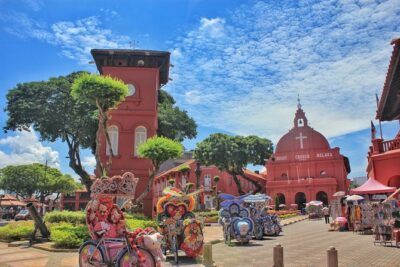
Historical Malacca Guided Day Tour (Shared Tour)
Read our review →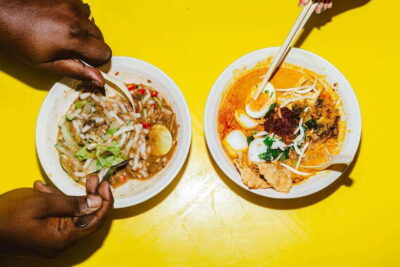
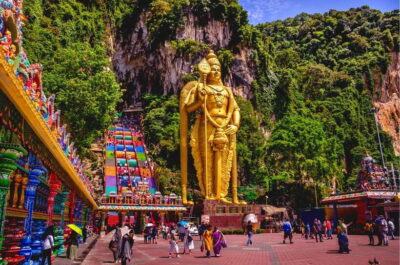
Genting Highland & Batu Cave Guided Day Tour (SIC/Shared Tour)
Read our review →