Reviewed · FOOD
Kuala Lumpur Walk, Eat & See Tour
Kuala Lumpur’s best stories are told between food stalls, wet markets, old village lanes, and religious buildings. This walk links those places across Brickfields, Kampung Baru, and Chinatown, giving you a quick look at the city’s Malay, Indian, and Chinese communities in one outing.
I like the way the tour combines small food tastings with local transport, rather than keeping you inside one tourist district. I also like the human touch from Charles, or Charlie, who explains the food, answers broad questions about Kuala Lumpur, and can offer choices for a longer walk.
The main thing to watch is the wide time range, listed at one to five hours. The route covers a lot, and the pace, food stops, and amount of time at each place can vary. If you want a slow market visit or a full meal, ask Charles what version of the tour is planned.
Key points to know before you book
- Three Kuala Lumpur communities in one route: Little India, an old Malay settlement, and Chinatown give the walk a useful cultural shape.
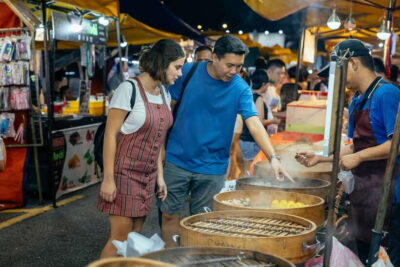
- Food is part of the lesson: Tastings can include nasi lemak, jackfruit, Chinese noodles, and banana roti, with snacks included.
- Charles brings flexibility: He is described as friendly, funny, fluent in English, and willing to adjust the outing or offer a longer option.
- You use the city as locals do: Train tickets are included, and the outing connects several districts instead of staying in one compact area.
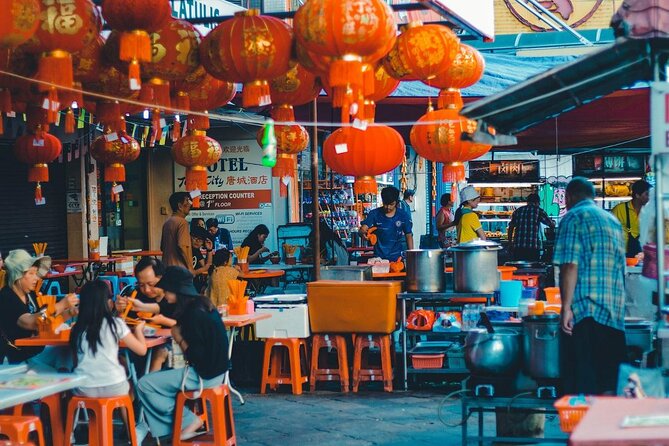
- The route ends in Chinatown: Petaling Street leads to food, cafes, bars, back lanes, murals, and old city buildings.
- A small group keeps it manageable: The maximum is 12 people, with group discounts available.
A cross-city introduction to Kuala Lumpur
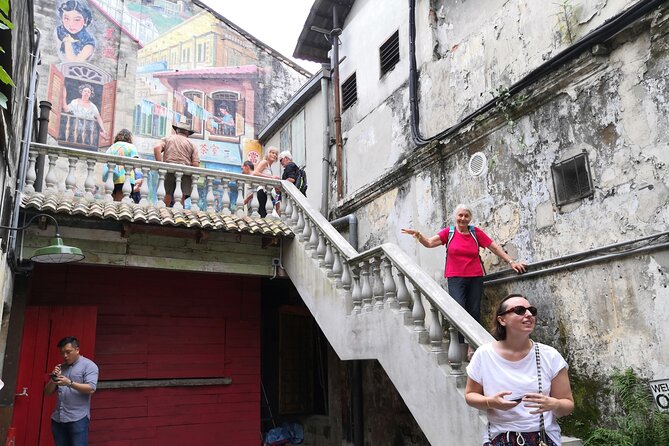
At $75 per person, this is not the cheapest way to eat in Kuala Lumpur. It can be good value if you want a guide, several tastings, train travel, and a broad cultural introduction in one booking.
The strongest reason to choose it is the route. Many city walks focus only on Petaling Street and Central Market. This one starts at Nu Sentral in Brickfields, then moves through Little India, Chow Kit, Kampung Baru, the old city center, Central Market, and Chinatown. You see how Kuala Lumpur changes from district to district.
That variety also means you should not expect a polished food crawl with a neat table at every stop. This is a walking and sightseeing experience first, with food woven into it. You may eat standing up, sample small portions, and continue moving. That style suits you if you want local context and a broad first look at the city.
The outing is limited to 12 people. That is small enough for questions and for a guide to manage a market visit without losing everyone in the crowd. It is also large enough that the pace may not feel private. Charles appears to be the key part of the experience, so the quality of your day depends heavily on his route and timing.
A few more trips around Kuala Lumpur worth a look
- Sambal Streets Kuala Lumpur Food Tour with 15+ Tastings
★ 5.0 · 2,438 reviews - Kuala Lumpur: Sambal Street Food Tour with 15+ Tastings
★ 4.9 · 1,657 reviews - The 10 Tastings of Kuala Lumpur With Locals: Private Street Food Tour
★ 5.0 · 249 reviews
Starting in Little India Brickfields
Meet at Nu Sentral, the transport and shopping complex beside Kuala Lumpur Sentral. From there, the walk begins in Brickfields, Kuala Lumpur’s Little India.
The first stop lasts about 20 minutes and includes food bites plus a look at older religious sites. Brickfields gives the tour an early cultural note: colorful storefronts, Indian food, and places of worship appear before you reach the city center.
Do not expect a major monument visit here. The stop is brief, and admission is free. Its value is in setting up the city’s Indian side before the route moves to Malay and Chinese areas.
This is also where the included train tickets matter. The tour does not treat Kuala Lumpur as a string of isolated sights reached only by car. Instead, you use public transport to connect the districts. That makes the city feel more real, and it saves you from arranging several separate taxi rides.
Chow Kit and the city’s market life
Chow Kit is included as part of the early development of Kuala Lumpur, with time to explore the market. The supplied schedule does not give a fixed visit length for this stop, so the market portion may depend on the day’s pace and the group.
A wet market is useful for understanding what people buy and eat, but it is not a staged attraction. You may see produce, meat, prepared foods, and vendors at work. Conditions can be crowded or humid, and the sights and smells may be strong. That is part of the point, though it may not suit you if you prefer tidy indoor markets.
Ask Charles questions here. The food tastings make more sense when you can connect them to ingredients, cooking habits, and the communities that sell them. One of the strongest parts of the experience is not only being handed a snack, but learning where it fits in Kuala Lumpur’s daily life.
Kampung Baru, Kuala Lumpur’s old Malay settlement
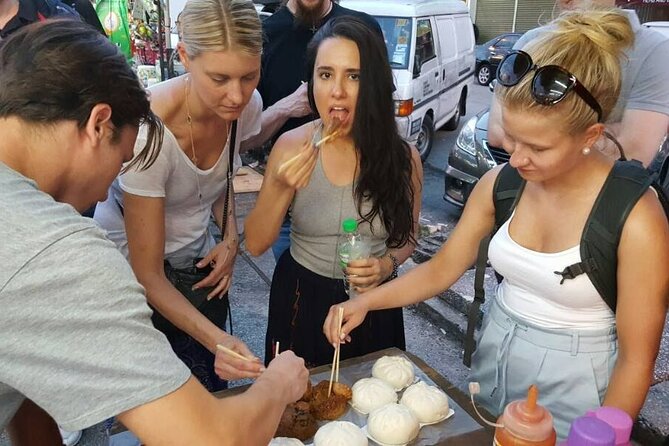
Kampung Baru is the most distinctive cultural stop on the route. It is described as the first Malay settlement in Kuala Lumpur, with about 30 minutes to see the old village area and learn how local residents lived in earlier times.
This gives you a sharp contrast with the towers and shopping centers associated with modern Kuala Lumpur. You are looking at an older residential pattern within the capital, not just another commercial district. The stop helps explain that Kuala Lumpur is not one uniform city. Malay, Indian, and Chinese communities have shaped separate neighborhoods, food traditions, and religious spaces.
The visit is short, so you will get an introduction rather than a full study of Kampung Baru. Still, the location gives the walk its strongest sense of place. I would pay attention to the change in building styles and street life rather than rushing toward the next snack.
The food here may include Malaysian favorites such as nasi lemak or jackfruit. Nasi lemak, often served with rice and savory accompaniments, is one of the dishes connected with Malay food culture. Jackfruit gives you a chance to try a fruit that may be less familiar if you are visiting from Europe or North America.
Same base, a different sort of day:
- Kuala Lumpur: Batu Caves Half-Day Tour with Pick-Up Option
★ 4.5 · 4,288 reviews - Private Half-Day Batu Caves and Cutural Tour in Kuala Lumpur
★ 5.0 · 3,107 reviews - Historical Malacca Guided Day Tour (Shared Tour)
★ 5.0 · 2,172 reviews - From Kuala Lumpur: Batu Caves Cultural Temple Tour
★ 4.7 · 1,453 reviews
Masjid Jamek, the River of Life, and Merdeka Square
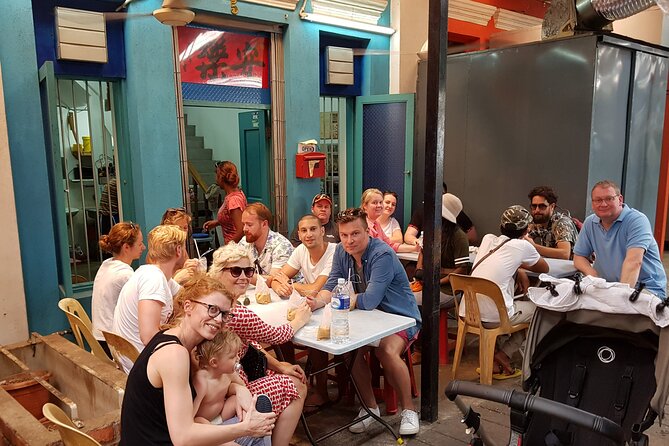
The route then turns toward old Kuala Lumpur, including Masjid Jamek, the River of Life project, and Merdeka Square. These sights bring together religion, colonial-era civic space, and the modern city’s effort to improve its riverfront.
Masjid Jamek is one of the city’s best-known historic mosques, located near the meeting of the Klang and Gombak rivers. The River of Life project focuses on this waterway area and gives you a clear example of how Kuala Lumpur presents its past while updating public spaces.
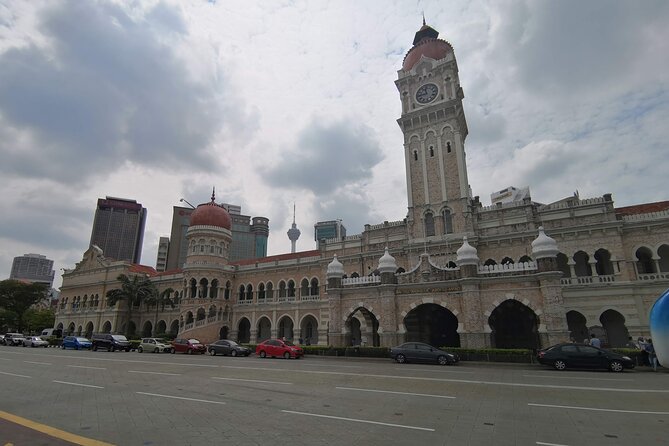
Merdeka Square adds another layer. It is one of the city’s central historic spaces, surrounded by notable old buildings. The tour does not list an admission ticket or an extended indoor visit, so expect to see the area while walking and hear the guide explain its importance.
This part is especially useful if you are new to Kuala Lumpur. You get the basic city story without spending half a day inside a museum. The tradeoff is that the schedule appears to favor movement and commentary over long stops for photographs or detailed architecture.
Central Market and a quieter art-filled alley
Central Market is included as a short stop, listed at about five minutes. That is not enough time for a serious shopping visit, so treat it as a quick look at one of Kuala Lumpur’s main tourist markets.
The more interesting detail is the nearby alley of painters and material connected with Malaysian history. That side route may appeal to you more than the main market itself. It gives the guide room to point out local art and older city stories away from the main stream of shoppers.
Central Market can be useful for souvenirs, but shopping is not the core purpose of this tour. If you want time to compare handicrafts, fabrics, and gifts, return later on your own. During the walk, keep your attention on the street layout, art, and the transition toward Chinatown.
Petaling Street and Chinatown’s changing lanes
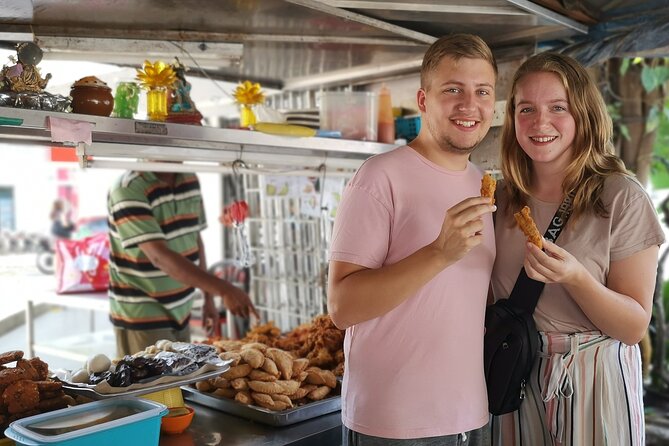
The final listed stop is Petaling Street Market, also known as Kuala Lumpur’s Chinatown. The walk through the market takes about 10 minutes, followed by a look at old lanes that have changed from red-light areas into cafes, bars, and creative back streets.
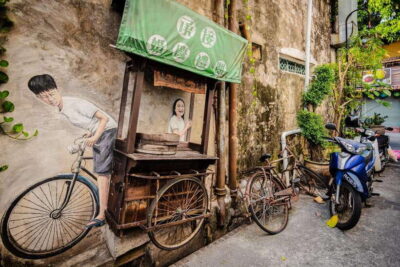
The phrase fake market refers to the imitation goods associated with parts of Petaling Street. You can browse, but bargain-market shopping is only one piece of the stop. The more telling part is the change in the surrounding lanes, where old commercial spaces now mix with cafes, bars, and street art.
Murals and back alleys give the ending a more informal feel than a standard monument tour. You may find a good photo spot or a place you want to revisit after the tour. The route ends at Petaling Street Market on Jalan Petaling, so you finish in a useful central area with plenty of choices for a later meal or evening walk.
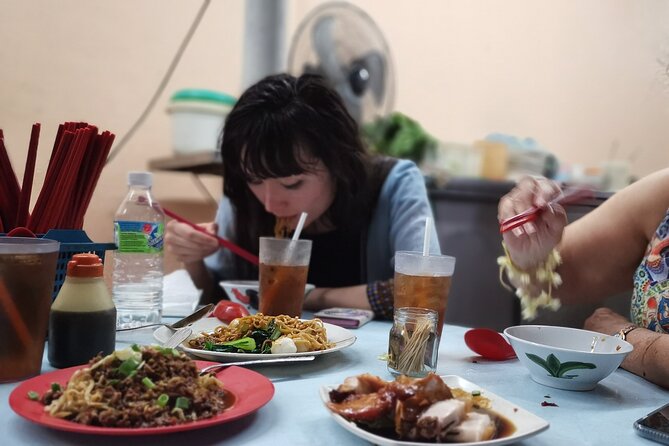
Food tastings can include Chinese noodles and other local bites here. Banana roti is another item singled out as a favorite of the experience. The mix of Malay, Indian, and Chinese foods is what makes this route work. You are not simply eating a list of famous dishes. You are tasting how the city’s communities have influenced one another.
What the guide adds to the experience
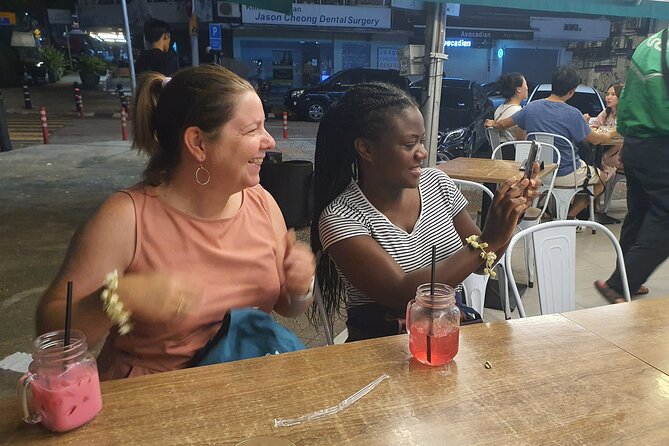
Charles is the main reason this tour seems more flexible than a fixed sightseeing circuit. He is described as fluent in English, friendly, humorous, and able to answer questions on food, history, culture, and everyday life.
That range matters. A food guide who only names dishes can leave you with a full stomach but little sense of place. Charles appears to explain the origins of foods and people, introduce options, and maintain a relaxed pace. He can also offer a longer version of the walk, which may be useful if you do not want to hurry through such a broad route.
The food itself is a major strength. Tastings mentioned for this experience include nasi lemak, jackfruit, Chinese noodles, and banana roti. Snacks are included, but alcohol is not, so budget separately if you want a drink at one of the cafes or bars near Chinatown.
I would still ask at the start how many tastings are planned and how large they will be. A food walk is not always a full dinner. The wording suggests samples rather than a guaranteed multi-course meal, and the duration can be as short as one hour.
Who will get the most from this $75 walk
I would choose this tour if you are in Kuala Lumpur for a short stay and want an organized introduction beyond the main shopping malls. It works especially well for you if you like walking, small food samples, neighborhood history, and a guide who can answer questions as they arise.
It also suits people who feel unsure about using local transport or entering markets without a plan. The train tickets are included, and the maximum group size is 12. You get a basic framework for returning to Brickfields, Kampung Baru, Chow Kit, or Chinatown on your own.
You may want another option if your priority is a slow, serious food tour. The schedule covers many areas, and some stops are very short. You may also find the price high if you only want a few cheap snacks and a self-guided walk.
Wear comfortable shoes. The route includes several neighborhoods, markets, heritage areas, and public transport connections. Good weather is required, and the experience can be canceled for poor conditions with a choice of another date or a full refund.
Free cancellation is available up to 24 hours before the start time. Inside that window, the payment is not refunded and changes are not accepted.
My booking verdict
I would book the Kuala Lumpur Walk, Eat & See Tour for a first or short visit to the city, especially if you want food and neighborhoods together rather than a narrow restaurant crawl. Charles appears to be an engaging guide, and the combination of Brickfields, Chow Kit, Kampung Baru, the old city center, and Chinatown gives you a useful sense of Kuala Lumpur’s many communities.
I would skip it if you want long, carefully timed visits at each sight or a guaranteed full dinner. Before paying $75, confirm the expected duration and tasting plan. If you are happy with a flexible walk, small bites, public transport, and a broad look at the city, this is a practical way to get your bearings and find places to explore again.
FAQ
Where does the Kuala Lumpur walk begin?
The meeting point is Nu Sentral201 on Jalan Tun Sambanthan, at Kuala Lumpur Sentral in Brickfields.
Where does the tour finish?
The tour ends at Petaling Street Market on Jalan Petaling in Kuala Lumpur’s City Centre.
How long does the experience last?
The listed duration is approximately one to five hours. The actual length may depend on the route, pace, and selected tour option.
What food might I taste?
Food examples connected with the tour include nasi lemak, jackfruit, Chinese noodles, and banana roti. Snacks are included.
Are train tickets included?
Yes. Train tickets are included in the tour price.
Is alcohol included?
No. Alcoholic beverages are not included.
How many people can join?
The tour has a maximum of 12 participants. Group discounts are available.
Can I cancel for a refund?
Yes. You can cancel at least 24 hours before the start time for a full refund. Cancellations or changes made within 24 hours are not refunded or accepted. If poor weather causes the tour to be canceled, you can choose another date or receive a full refund.
Just added around Kuala Lumpur
- Transit Tour Private Tour (Ex Port Klang Cruise Centre/KLIA 1 &2)★ 5.0 · 10 reviews
- Sunway Lagoon Ticket (One Day Pass)★ 3.5 · 5 reviews
- Private Transfer: Kuala Lumpur International Airport to or from Hotel★ 4.5 · 14 reviews
- Kuala Lumpur City & Batu Caves Temple Private Tour★ 4.5 · 3 reviews
- Private Kuala Lumpur Shore Excursions★ 4.5 · 22 reviews
- Full Day Melaka Private Tour from Kuala Lumpur★ 4.0 · 5 reviews
- Private Port Klang Cruise to Kuala Lumpur City Tour★ 5.0 · 3 reviews
- Kuala Lumpur Airport Transit Tour (4 hours)★ 5.0 · 12 reviews
Food, compared.
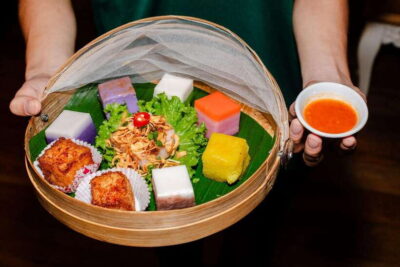
Sambal Streets Kuala Lumpur Food Tour with 15+ Tastings
Read our review →
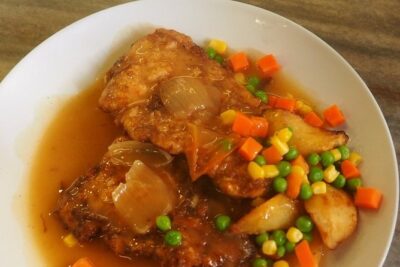
The 10 Tastings of Kuala Lumpur With Locals: Private Street Food Tour
Read our review →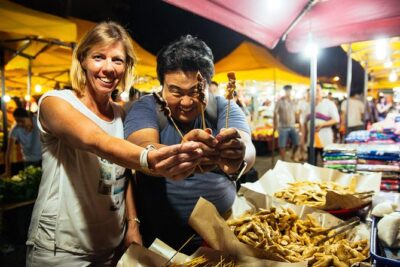
Kuala Lumpur Local Street Food Private Walking Tour by Night
Read our review →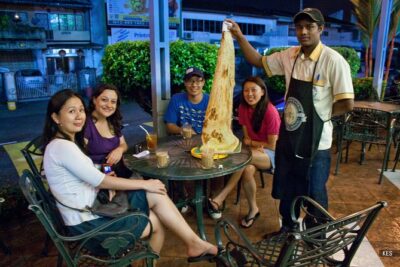
Eat Like a Local: Kuala Lumpur Hawker Center and Street Food Tour by Night
Read our review →