Reviewed · FOOD
Eat Like a Local in Kuala Lumpur
Kuala Lumpur makes more sense when you eat it one neighborhood at a time. This tour moves from Pudu’s Chinese-Malaysian dishes to Brickfields’ Indian cooking and Kampung Baru’s Malay classics. I like the clear three-part food story, and I like that a local guide explains why each dish matters instead of simply handing you a plate.
The main point to check is transportation. The tour information lists an air-conditioned vehicle, while customer accounts describe Vespa rides and mention guides named Kelvin, Azly, Aslan, and Big Moss. Confirm the vehicle and pickup plan before paying, especially if you are nervous about riding or need extra space.
Key things to know before you book
- Three neighborhoods, three food traditions: Pudu, Brickfields, and Kampung Baru each bring a different side of Kuala Lumpur to the table.
- Classic dishes are the focus: Expect Hokkien mee, yong tau foo, roti canai, banana leaf rice, nasi lemak, and rendang.
- The evening lasts about four hours: Each listed stop is allocated roughly 48 minutes, so the pace should keep moving.
- Small-group format: The maximum group size is 15 people, large enough for company but small enough for questions.
- Dietary needs can be requested: Vegetarian, vegan, and gluten-free arrangements are possible if you note them when booking.
- Vehicle details need confirmation: The official information lists an air-conditioned vehicle, but some customer accounts refer to Vespa transport.
Why this food tour works for first-time visitors
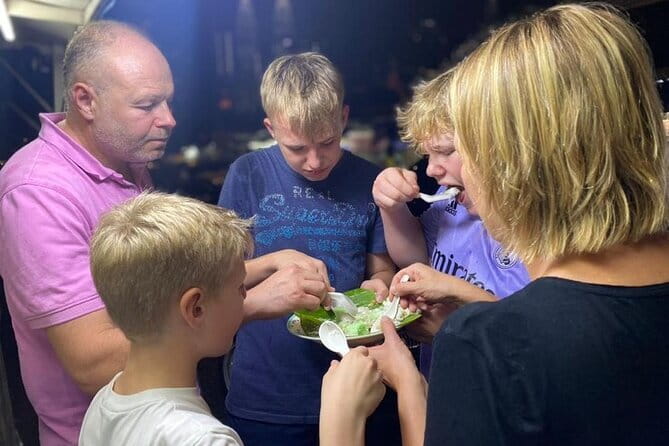
Kuala Lumpur can feel spread out at first. The city has several food districts, but they do not all offer the same experience, and it takes time to understand what belongs to Chinese Malaysian, Indian Malaysian, and Malay cooking.
This tour gives you a simple route through those three traditions in one evening. I like that structure because you are not left guessing which neighborhood to pair with which dish. Pudu opens the night with Chinese Malaysian favorites, Brickfields brings spice and breads, and Kampung Baru finishes with familiar Malay comfort food.
That sequence also gives the evening a natural rhythm. You begin in a market setting, move through Little India, then end with a substantial Malay meal after dark. The tour is less about sitting down for one long dinner and more about building a meal through several stops.
Your guide is an important part of the experience. The stated plan includes explanations about the background and cultural setting of each dish. That matters in Kuala Lumpur, where a name such as nasi lemak or roti canai tells you what you are eating, but not always why it became such a fixture of everyday life.
The group limit of 15 is reasonable. It is not a private food walk, but it should be easier to hear the guide and keep track of the group than on a large coach outing. If you want a quiet, highly personal meal with long conversations at each table, this may feel too structured. If you want a broad introduction without planning every stop yourself, the format makes sense.
A few more trips around Kuala Lumpur worth a look
- Sambal Streets Kuala Lumpur Food Tour with 15+ Tastings
★ 5.0 · 2,438 reviews - Kuala Lumpur: Sambal Street Food Tour with 15+ Tastings
★ 4.9 · 1,657 reviews - The 10 Tastings of Kuala Lumpur With Locals: Private Street Food Tour
★ 5.0 · 249 reviews
Pudu starts with noodles and stuffed vegetables
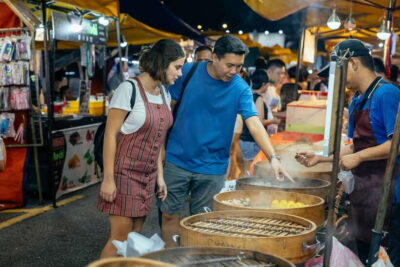
The first food stop is Pasar Besar Pudu, a well-known market area with a wide mix of local food. The tour highlights Hokkien mee and yong tau foo here, two dishes that give you a useful introduction to the Chinese Malaysian side of Kuala Lumpur.
Hokkien mee is a noodle dish with a dark, savory flavor. Yong tau foo usually involves a selection of vegetables and other items filled or served with a savory mixture. The exact preparation and serving choices can vary, so your guide’s explanation is useful here. You can ask which items are mild, spicy, fried, or filled before choosing.
I like starting in Pudu because it avoids the usual polished restaurant setting. A market area gives you a better sense of how food fits into ordinary city life. It also lets you try more than one flavor without committing your entire evening to a single dish.
The listed time at this stop is about 48 minutes. That is enough for tasting and explanation, but it is not a leisurely market visit. You should arrive ready to eat soon after the tour begins. If you prefer to inspect every stall or take extensive photographs, the schedule may feel brisk.
The tour information lists admission as free at each stop, which means the price is paying for the organized food experience, guide, and transport rather than entry tickets. That is useful to understand before you compare it with an unaccompanied market visit.
Brickfields brings roti canai and banana leaf rice
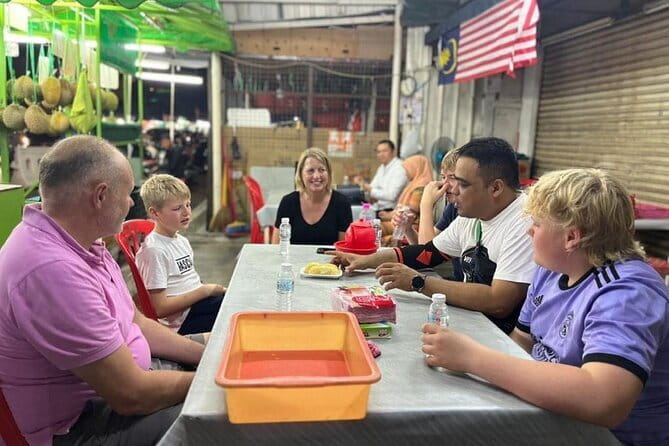
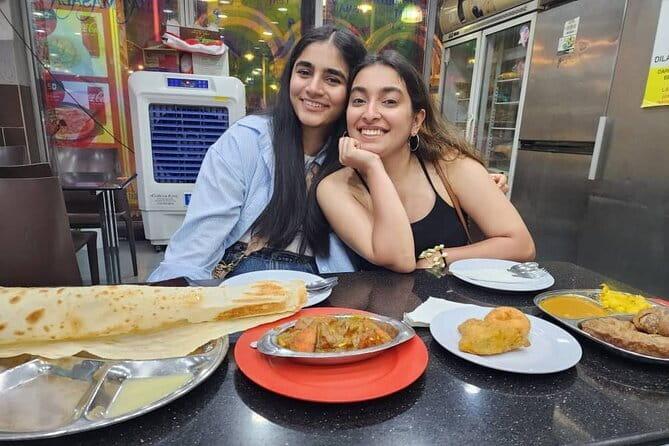
Next comes Brickfields, Kuala Lumpur’s Little India. The change in atmosphere is part of the appeal. The food moves toward Indian Malaysian flavors, with roti canai and banana leaf rice named as the main attractions.
Roti canai is a flaky, pan-cooked flatbread often served with curry or another sauce. Banana leaf rice is a more complete meal, traditionally served with rice, vegetables, and accompanying curries or side dishes on a banana leaf. The attraction here is not only the food itself, but the contrast with the noodles and stuffed vegetables from Pudu.
I like having Brickfields in the middle of the route. It prevents the night from becoming a string of similar tastings, and it gives you a clear taste of Kuala Lumpur’s cultural mix. The spice, bread, rice, and curry also make this stop feel more substantial than a quick snack.
You should tell the guide about dietary needs early. Vegetarian, vegan, and gluten-free requests can be accommodated, but the booking information asks you to state those needs when you reserve. Do not wait until you are standing at the food stop, especially if you have a serious allergy or need to avoid cross-contact.
The 48-minute allocation again suggests a tasting stop rather than a long, slow dinner. If you have never eaten banana leaf rice, ask the guide how the meal is served and which side dishes are suitable for you. A little guidance can make the experience less confusing and more enjoyable.
Kampung Baru closes the evening with Malay classics
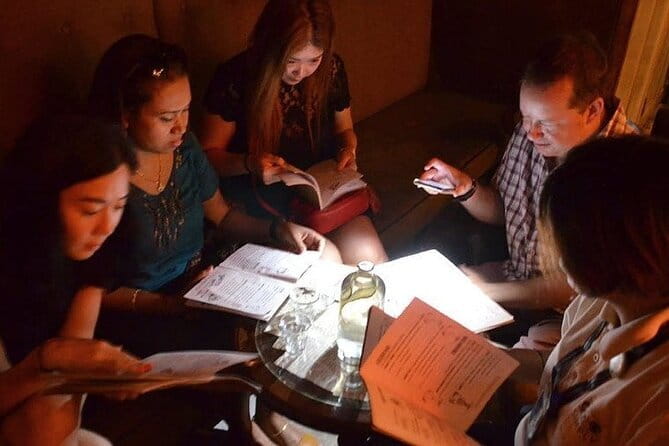
The final food district is Kampung Baru, a traditional Malay area that takes on a different feel at night. The named dishes are nasi lemak and rendang, two of Malaysia’s best-known foods.
Nasi lemak centers on coconut rice and is commonly paired with spicy sambal and other accompaniments. Rendang is a slow-cooked dish with a dense, seasoned sauce. Together, they offer a hearty finish after the lighter noodle, bread, and curry tastings earlier in the evening.
I think Kampung Baru is a smart final stop because the food gives the tour a proper ending. You are not finishing with one more small bite and then searching for dinner. The evening closes around dishes that can function as a full meal.
Spice levels are worth discussing with your guide. The tour description does not promise that every dish will be mild, and Malaysian cooking can include strong sambal and seasoned sauces. If you enjoy heat, you can ask for the more assertive options. If you do not, explain that before tasting.
The schedule gives Kampung Baru about 48 minutes. That should allow time to eat and hear some context, but you should not expect a long restaurant meal. Think of the stop as the final chapter of a guided food route.
Same base, a different sort of day:
- Kuala Lumpur: Batu Caves Half-Day Tour with Pick-Up Option
★ 4.5 · 4,288 reviews - Private Half-Day Batu Caves and Cutural Tour in Kuala Lumpur
★ 5.0 · 3,107 reviews - Historical Malacca Guided Day Tour (Shared Tour)
★ 5.0 · 2,172 reviews - From Kuala Lumpur: Batu Caves Cultural Temple Tour
★ 4.7 · 1,453 reviews
What the guide adds to the meal
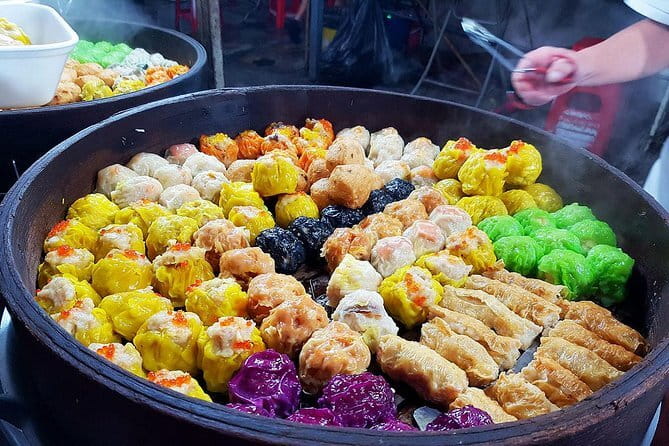
Food tours work best when the guide connects the plate to the place. Here, the stated plan includes local explanations about Kuala Lumpur’s food traditions and the background of the dishes.
That turns a list of tastings into a more useful introduction to the city. You are not just learning that Hokkien mee is a noodle dish or that nasi lemak includes coconut rice. You are getting a way to understand the different communities and cooking styles represented across the route.
Some customer accounts specifically name Kelvin and Azly, with additional mentions of Aslan and Big Moss. Kelvin is described as helping a nervous participant feel comfortable, while the evening was also associated with sightseeing and Vespa travel. Those names may help if the same guide team is assigned, but guide availability can change, so I would not treat a particular person as guaranteed.
There is an important mismatch to clear up before booking. The formal tour details include an air-conditioned vehicle, while the customer accounts describe riding through Kuala Lumpur on Vespas. The provider is Vespalicious Tours, which helps explain the difference, but it does not settle the question. Ask directly whether your departure uses a car or Vespa, whether passengers ride behind a guide, and what happens if you prefer not to ride.
What the $105 price means
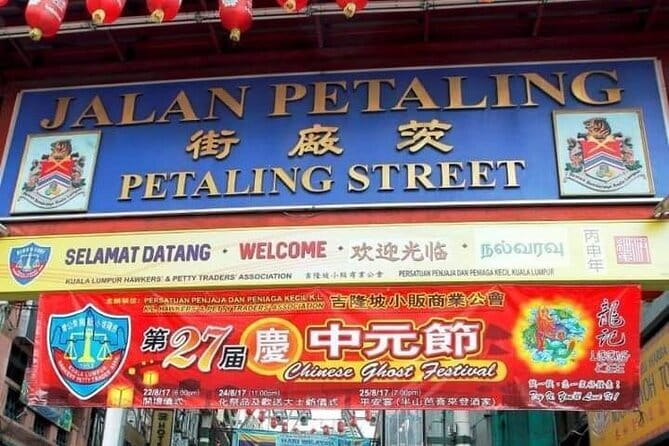
At $105 per person, this is not the cheapest way to eat in Kuala Lumpur. You could order individual dishes at markets for much less. The value comes from combining several neighborhoods, arranging transport, choosing the food stops, and providing a guide for the cultural context.
The listed inclusions are broad. Bottled water, soda or pop, snacks, lunch, breakfast, and alcoholic beverages are included in the supplied details, although that wording is unusual for an evening tour. Alcohol is served only to people aged 21 and above. Because the meal labels do not match the evening schedule neatly, I would ask what food and drinks are actually included on your departure.
The price makes more sense for someone with limited time. You are paying to sample three food areas in about four hours rather than working out the route, finding the stalls, and deciding what to order at every stop. It is also useful if you want a local escort during your first evening in Kuala Lumpur.
It is less compelling for an experienced food hunter who enjoys traveling independently and already knows where to eat. In that case, the fixed route and price may limit your freedom. I would also compare the total cost against what is included in your exact departure, given the unclear vehicle and meal wording.
Timing, transport, and group size
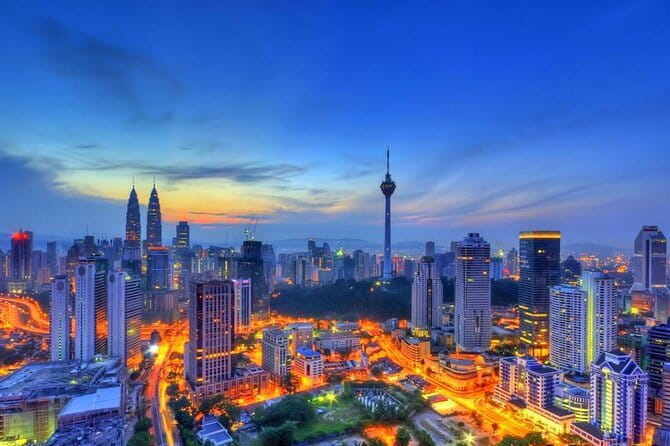
The experience lasts approximately four hours and includes five listed stops, with three food districts and two broader Kuala Lumpur points used for guide commentary and the closing portion of the route. The repeated 48-minute allocations suggest a carefully timed evening rather than an open-ended stroll.
Pickup is offered, and the tour is near public transportation. That gives you two practical ways to begin, but the supplied information does not state the pickup neighborhoods, exact meeting point, or pickup surcharge. Confirm those details before the day of the tour.
A mobile ticket is available, which is handy if you are moving around the city without a printed voucher. Confirmation normally arrives at booking, though reservations made within one day of travel are confirmed as soon as possible and remain subject to availability.
Most people can participate. The group can include up to 15 people, and an air-conditioned vehicle is listed. If your booking involves a Vespa, ask about riding requirements and comfort before you commit. The transport question is especially important for anyone with mobility concerns, a fear of motorcycles, or bulky medical equipment.
Free cancellation is available until 24 hours before the start time. Late cancellations and changes are not accepted for a refund. Poor weather or failure to reach the minimum number of participants can also cancel the outing, in which case you are offered another date, another experience, or a full refund.
Who should book this Kuala Lumpur food route
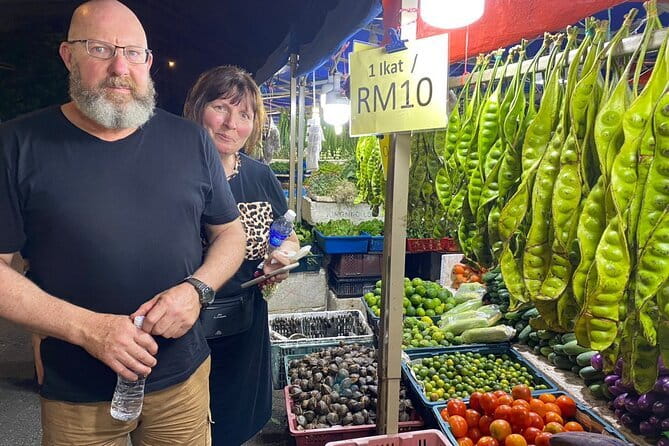
I would choose this for a first visit, a short stay, or an evening when you want someone else to handle the food planning. It suits curious eaters who want a broad introduction rather than one specialty meal.
It is also a good fit for couples and small groups. One customer account describes using the experience for a honeymoon, with the guides making the evening comfortable from the start. That suggests the format can work for a special occasion, provided you confirm the transport style and food inclusions in advance.
Vegetarians and vegans should state their needs at booking. Gluten-free diners should do the same. The tour says these requests can be accommodated, but you should still ask how each dish will be adapted and whether shared cooking surfaces are an issue.
I would hesitate if you want a private tour, dislike changing locations, or need a completely predictable menu. I would also pause if you are booking mainly for Vespa travel, since the formal details list an air-conditioned vehicle and do not promise a motorcycle ride.
Should you book Eat Like a Local in Kuala Lumpur?
Book it if you want three distinct food neighborhoods in one evening, local explanations, and arranged transport. The route gives you a useful first taste of Chinese Malaysian, Indian Malaysian, and Malay cooking without forcing you to choose just one district.
Before booking, confirm three things: the exact vehicle, the food and drinks included, and how your dietary needs will be handled. At $105, the tour earns its price through convenience, variety, and guidance, not through cheap food.
If those details match what you want, I would recommend it as an efficient introduction to Kuala Lumpur’s food culture. If you already know the city’s markets or want to eat slowly and independently, spend the money on several self-planned meals instead.
FAQ
How long does the tour last?
The experience lasts approximately four hours.
Which Kuala Lumpur neighborhoods are included?
The route includes Pudu, Brickfields, and Kampung Baru, with additional guide commentary and closing points in Kuala Lumpur.
Which dishes can I expect to try?
The named dishes include Hokkien mee, yong tau foo, roti canai, banana leaf rice, nasi lemak, and rendang.
Is pickup available?
Yes. Pickup is offered, and the tour is also near public transportation.
What is the maximum group size?
The group can include a maximum of 15 travelers.
Can dietary restrictions be accommodated?
Yes. Vegetarian, vegan, gluten-free, and other dietary requests can be accommodated if you provide the details when booking.
Is transportation included?
An air-conditioned vehicle is listed among the inclusions. Some customer accounts describe Vespa rides, so you should confirm the exact vehicle for your departure.
What is the cancellation policy?
You can cancel at least 24 hours before the experience for a full refund. Changes or cancellations made less than 24 hours before the start time are not refunded. Weather or minimum-participant cancellations may result in another date, another experience, or a full refund.
Just added around Kuala Lumpur
- Transit Tour Private Tour (Ex Port Klang Cruise Centre/KLIA 1 &2)★ 5.0 · 10 reviews
- Sunway Lagoon Ticket (One Day Pass)★ 3.5 · 5 reviews
- Private Kuala Lumpur Shore Excursions★ 4.5 · 22 reviews
- Private Transfer: Kuala Lumpur International Airport to or from Hotel★ 4.5 · 14 reviews
- Kuala Lumpur City & Batu Caves Temple Private Tour★ 4.5 · 3 reviews
- Full Day Melaka Private Tour from Kuala Lumpur★ 4.0 · 5 reviews
- Private Port Klang Cruise to Kuala Lumpur City Tour★ 5.0 · 3 reviews
- Kuala Lumpur Airport Transit Tour (4 hours)★ 5.0 · 12 reviews
Food, compared.
Sambal Streets Kuala Lumpur Food Tour with 15+ Tastings
Read our review →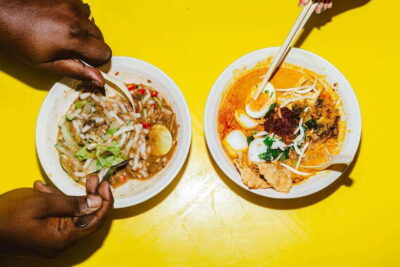
The 10 Tastings of Kuala Lumpur With Locals: Private Street Food Tour
Read our review →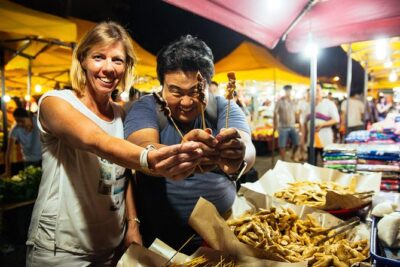
Kuala Lumpur Local Street Food Private Walking Tour by Night
Read our review →
Eat Like a Local: Kuala Lumpur Hawker Center and Street Food Tour by Night
Read our review →